Blogs & Articles
Learning / Page 57
Learning / Page 57
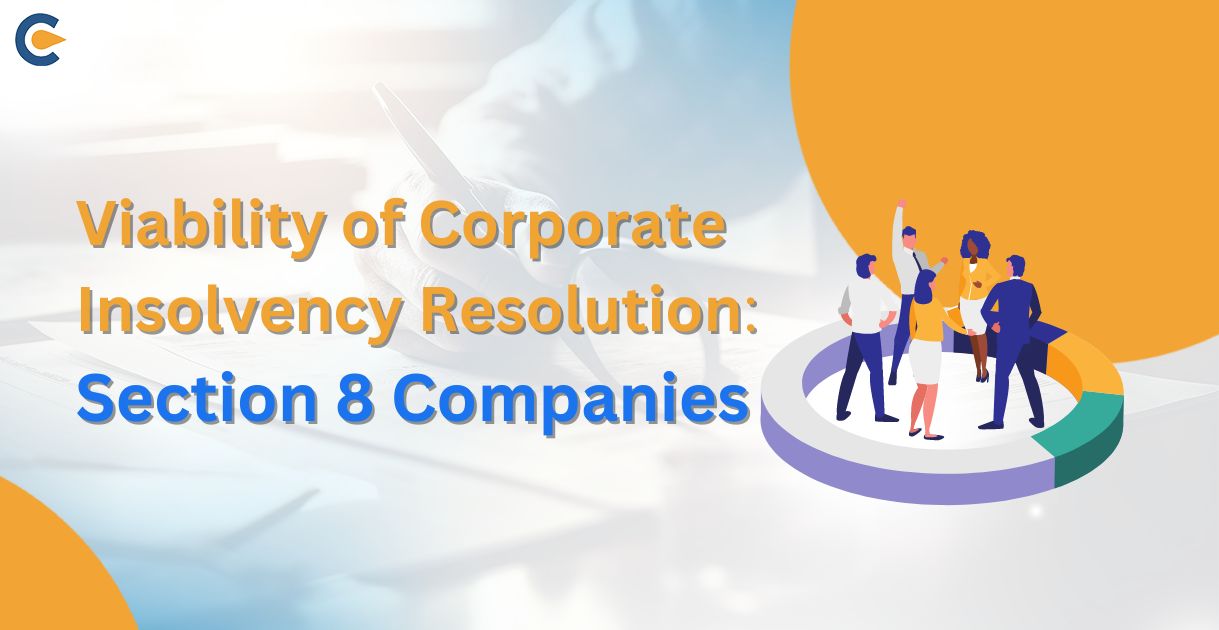
Insolvency in a company arises when it cannot settle its debts to creditors. There are two key assessments for corp...
Read More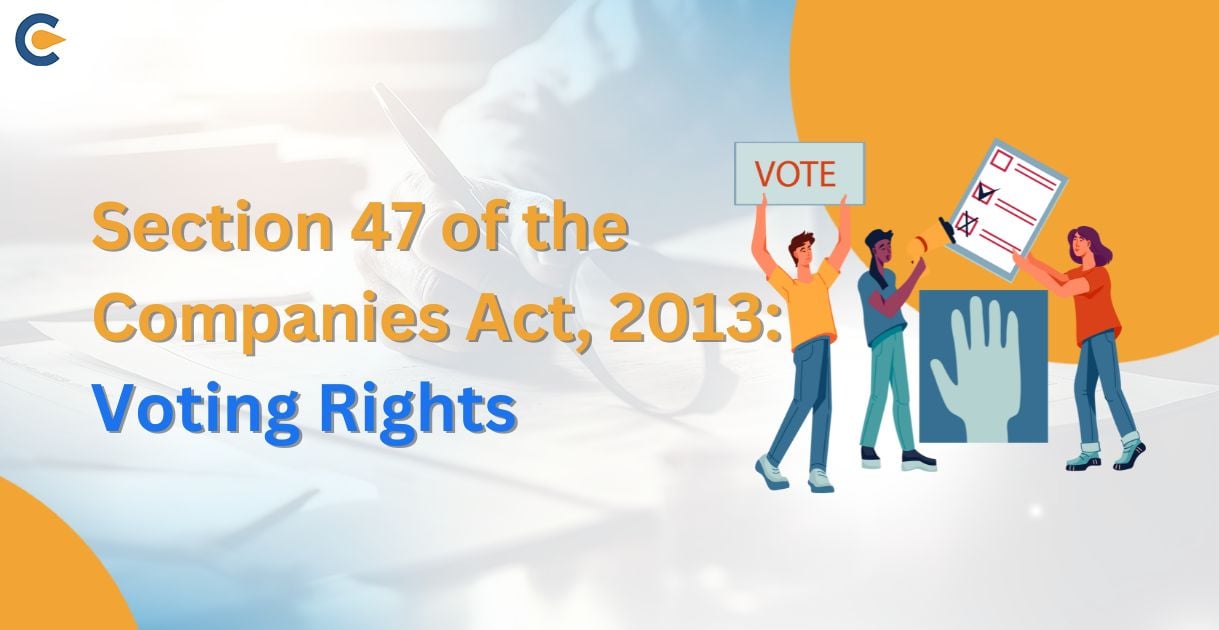
The Companies Act, 2013, is a pivotal piece of legislation governing the corporate landscape in India. This compreh...
Read More
The Companies Act of 2013 marked a significant transformation in the realm of corporate legislation, replacing the...
Read More
On October 27, 2023 the Ministry of Corporate Affairs introduced the Companies (Prospectus and Allotment of Securit...
Read More
LLPSBORules created obligations on Significant Beneficial Owners and Limited Liability Partnerships. The Companies...
Read More
Corporate Social Responsibility (CSR) was initially introduced in 2013, marking a significant development in corpor...
Read More
The Companies Act of 2013 has replaced its predecessor, the Companies Act of 1956, with the goal of modernising and...
Read More
GST, a landmark reform in India's post-independence history, unifies the taxation of goods and services, replacing...
Read More
Corporate social responsibility (CSR) entails businesses regulating themselves to be socially accountable and posit...
Read More
As a legal entity, a company relies on natural persons, notably its Board of Directors, to represent it and oversee...
Read More
The implementation of Goods and Services Tax (GST) marks a shift from the existing taxation model, where the focus...
Read More
In the ever-evolving finance and corporate governance landscape, the Social Stock Exchange (SSE) emerges as a poten...
Read More
Following India's economic liberalisation reforms in the post-1991 era, significant changes occurred in the competi...
Read More
The Companies Act of 2013 is a significant milestone in the legal framework governing all Indian-incorporated compa...
Read More


New Posts
Today Views
Total Posts
Total Views

Corpbiz is a technology driven platform which provides legal & financial services through its team of professionals.
Get the App