


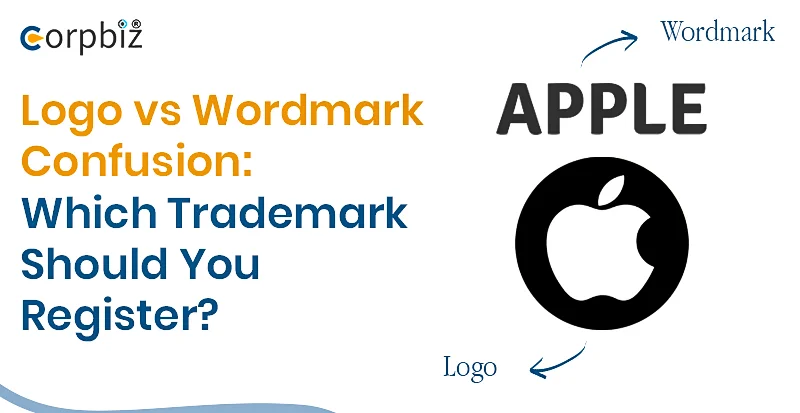
New startups, D2C brands, and online businesses are starting up in India every day. A name can become known very quickly due to social media and e-commerce. In 2026, brand identity is not just a logo or a name; it is an asset.
The Union Budget 2026 is expected to be presented in February 2026. It is expected that business awareness about IP protection and compliance will increase with the budget. So, the question comes to the minds of many businesses: should the logo or wordmark be registered first?
Making the wrong decision can increase legal costs in the future. Brand protection can be weakened. Even a situation like changing the name can arise.
An Overview of Trademark in Indian Law
Trademark protection in India is provided under the Trademarks Act, 1999. This law allows a business to legally protect its identity. A trademark is not just a logo. It can also be a name, word, symbol, or design.
There are different types of trademarks recognized in Indian law. The most used of these are wordmarks and device or logo marks. The category chosen while filing a trademark determines future protection. So, it is important to make the right decision at the beginning for trademark registration.
What is a Wordmark?
A wordmark is a trademark protection over a brand name or word. Here, only the words are important. There is no obligation regarding the font, color, or design.
You register the name “ANEYHOW” as a wordmark. This name will be protected whether it is written in uppercase, lowercase, or in a different style. You will have the right to the name even if the logo changes in the future.
Wordmarks offer very flexible protection. Wordmark registration is most suitable for startups, service-based businesses, and fast-growing brands. The name remains safe even during rebranding or design changes.
What is a Logo (Device) Mark?
A logo or device mark protects the specific visual design of a brand. This includes the logo’s shape, font, color combination, and layout.
The design is protected If you register a logo with a specific design. If the logo’s colors, font, or icon are changed in the future, the old registration may not fully protect the new logo.
So, logo marks carry a higher risk of needing modifications. But Its marks are effective for brands whose logos are very well-known and instantly recognizable even without the brand name. Logo registration is useful for large and established brands.
Talk To Expert

Logo vs Wordmark Confusion. To know more, Talk to our Expert
(4.8)


Word Mark Vs. Logo Mark: Key Differences
The difference between wordmarks and logo marks can lead to significant legal problems in the future. Often, businesses don’t understand what they are protecting. This confusion increases costs related to trademark disputes, notices, and refiling. This avoids unnecessary compliance costs and strengthens brand protection.
Word Mark vs. Logo Mark
| Basis | Word Mark | Logo (Device) Mark |
| What is protected | Brand name (text) | Specific visual design |
| Font & colour | No restriction | Fixed as registered |
| Scope of protection | Broad | Narrow |
| Impact of logo change | No impact | New filing may be required |
| Enforcement strength | Stronger | Limited to visual similarity |
| Best suited for | Long-term brand growth | Established visual identity |
Which Trademark Should You Register First and Why?
Registering a wordmark first is the most logical decision. It protects the brand name from all types of use. If someone uses a similar or confusingly similar name, having a wordmark makes it easier to take legal action.
Proving similarity in names is much easier than proving similarity in design in cases of trademark infringement. Furthermore, the market is constantly changing. While logo changes are common, brand names usually remain the same. So, wordmarks offer more flexible protection.
This is even more important for startups, MSMEs, and digital-first businesses in 2026. The name protection becomes the biggest asset when scaling a brand.
When is a Logo Mark Truly Effective?
A logo mark is effective when a brand’s visual identity is very strong. There are some brands whose logos are instantly recognizable even without seeing the name. In such cases of strong visual recall, the logo mark becomes important.
Fashion or lifestyle brands place greater importance on their logos. Some international brands are recognized solely by their logos. But it’s always safe to use it as a complement to a wordmark.
Best Strategy for 2026: Dual Trademark Protection Strategy
The safest method for brand protection in 2026 is the Dual Trademark Protection Strategy. In this strategy, the brand name is first registered as a wordmark. This protects the name from all types of use.
Then, once the logo design is finalized, it is filed separately as a logo mark. This ensures legal protection for the visual identity as well.
This method provides maximum legal coverage, prepares the brand for the future, and creates a strong IP portfolio for investors and partners. It is also well suited to the current compliance-centric business environment.
Read more – Why the Trademark Symbol Matters for Brand Identity?
Common Mistakes to Avoid During Trademark Filing
Have a look at the common mistakes to avoid during trademark filing-
- Registering only the logo for a new brand
- If logo registration will fully protect the name
- Not updating the trademark after changing the logo
- Delaying wordmark filing to save costs
- Choosing trademark categories without proper consultation
These mistakes lead to trademark disputes, legal notices, and costly rebranding situations in the future.
Conclusion
A business name is the identity of your business. People will recognize, search for, and trust you based on this name. So, protecting the name is crucial. Most problems arise when a business chooses the wrong trademark at the very beginning.
Logos and Designs can change but a business name doesn’t change. So, registering a wordmark first is safer. It ensures that the name remains protected for a long time.
Startups, MSMEs, or any growing business need proper guidance regarding trademarks. Corpbiz helps you on this journey. At Corpbiz, we ensure your brand remains safe from trademark search to registration and legal assistance.
Read more – Importance of Accurate Trademark Classifications
Answers to Common Questions About Logo vs Wordmark Confusion
What is the basic difference between a word mark and a logo mark?
A wordmark protects a brand name. It protects the brand, no matter how the name is written. On the other hand, a logomark protects a specific design. Font, color, and size are important in this. So, a wordmark protects a name, while a logo mark protects a specific symbol like an image.
Which trademark offers stronger legal protection in India?
A wordmark offers stronger protection, as it gives rights to the name. It is easy to object if someone uses the same or a close name. A logo mark has to show similarity in design, which is sometimes difficult. So, a wordmark is usually more effective from a legal point of view.
Does registering a logo automatically protect my brand name?
Logo registration mainly protects the design. There can be problems when someone uses the same name in a different font or in plain text. A separate wordmark is required for full protection of the name. Many businesses make this mistake and later get into legal trouble.
Can startups apply for a trademark without a logo?
Yes, it can. A logo is not mandatory for filing a trademark. It can file a wordmark with just the brand name if a startup wants. This is a much safer method. Because it is normal to change the logo initially, but the name usually remains the same.
What happens if I change the logo after trademark registration?
If you have only a logo mark, then the new logo may not come under the previous protection. You may have to file a new trademark. However, if you have a wordmark, then the name will remain protected as before. So, the wordmarks are safer.
Is the government fee different for word marks and logo marks?
No. The government fees for wordmarks and logo marks in the Indian Trademark Office are the same. There is no difference in terms of cost. The difference lies in the scope of protection. So it is not right to make the wrong decision for the sake of low cost. It is more important to choose the right strategy.
Can someone use a similar brand name if I only have a logo mark?
Yes, in some cases. If the spelling or pronunciation of the name is different and the design is different, then there can be problems. A logo mark does not give full rights to the name. So, only a logo mark makes it vulnerable to name disputes.
Are logo marks easier to register than word marks?
Sometimes a logo mark can be relatively simple, but the design is very different. However, being simple does not mean having more protection. Logo mark protection is limited. So, it will be easy to register, but risky in the future to choose a logo.
Should small businesses register both word marks and logos?
If you have the budget, it is better to do both. Word marks first, then logo marks. This protects both the name and design. Word marks are more important if you do only one thing. This is the safest start for small businesses.
What is the safest trademark strategy for a growing brand?
The safest strategy is to take it step by step. First, register the brand name as a wordmark. Then, once the logo is finalized, register it separately. This does not create any problems with future changes. This method protects the brand for a long time.
Read more – Understanding the things that can be Trademarked