


Knowing the certification requirements for tungsten filament lamps may be important for manufacturers, traders, and consumers. Every lamp must be certified to ensure that it meets the applicable safety, performance, and environment-related standards. This blog will explain in detail the certifications required by tungsten filament lamps and why they are important, with repercussions for the industry and consumers.
About Tungsten Filament Lamps
Tungsten filament lamps, more popularly known as incandescent bulbs, are among the oldest and most used electric lighting devices. They generate light by heating a tungsten filament until it glows. These lamps date back to the late 19th century when Thomas Edison and Joseph Swan developed the first practical incandescent bulbs.
Common Applications and Uses
Although more energy-efficient lighting technologies have emerged, tungsten filament lamps find applications where warm light quality and excellent colour rendering are necessary. They are used for a variety of applications, including:
- Residential lighting
- Decorative lighting fixtures
- oven lights
- automobile headlamps
BIS for Tungsten Filament Lamps
The certification for tungsten filament lamps implies that the manufacturer has proven that the products they offer are in compliance with the specified standards laid down by the Bureau of Indian Standards. It ensures product safety, reliability, and quality. As far as these lamps are concerned, IS 418:2004 remains compulsory for marketing/selling purposes within India.
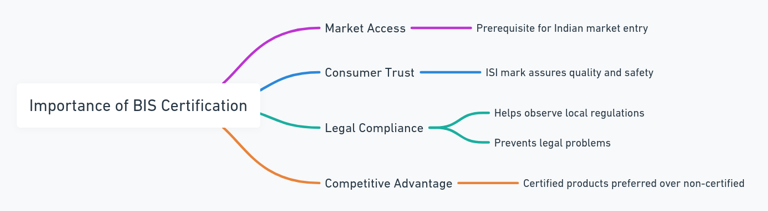
There are many benefits associated with certification for tungsten filament lamps-
- Market Access: This is taken as a prerequisite to entering the Indian market.
- Consume trust: The ISI mark assures quality and safety to the consumers.
- Legal Compliance: It helps the manufacturer observe local regulations and prevent going against them, thus avoiding legal problems.
- Competitive Advantage: Products that are certified would be much preferred over those without certification.
Also Read: Mandatory Certification for Steel Chequered Plates
IS 418:2004 Standard for Tungsten Filament Lamps
IS 418:2004 This standard relates to tungsten filament incandescent lamps for general lighting purposes. The lamps operate with the principle of incandescence. The light is produced due to the heating of the tungsten filament to high temperatures.
Key specifications include:
- Rated Wattage: 15 W, 25 W, 40 W, 60 W, 100 W, 150 W, and 200 W.
- Rated Voltages: 110 V, 230 V, 240 V, and 250 V
- Bulb Shapes: A, K, M, or PS
- Finish: Clear, frosted, or white
- Caps: B22d or E27
- Lamp Diameter: 54 to 62 mm for ratings up to 100 W
Performance and Test Requirements
The IS 418:2004 standard identifies certain performance requirements and testing methodologies for the purpose of ensuring compliance.
- Marking: Lamps shall be marked with the specific information, including the ISI certification mark.
- Lamp Dimensions: The Dimensional requirements per the applicable datasheet shall be satisfied.
- Wattage and Luminous Flux: Shall not be less than the ratings and luminous flux specified.
- Safety Tests: This would include safety tests for accidentally live parts, protection against accidental contact, insulation resistance, interchangeability.
Certification Process
The process for obtaining BIS certification for tungsten filament incandescent lamps involves the following steps.
- Submission of Application: The application form, along with the required documents, shall be submitted to the BIS by the manufacturer.
- Testing of Product: Lamps shall be tested for conformance as per IS 418: 2004.
- Factory Inspection: The officials of BIS inspect the manufacturing facility to confirm adherence to quality management systems.
- Licensing Pass: Provided that if the product and manufacturing process are satisfactory, BIS grants a license to use the ISI mark.
Renewal and Surveillance
It does not mean that once the product gets BIS certification, the manufacturer is all set. It has to get its certification renewed periodically, perform surveillance inspections through regular testing of production samples, and have its factory audited.
Challenges in Obtaining Certification for Tungsten Filament Lamps
Rigorous Test Requirements
These broad spectrums of testing requirements pose a problem for many manufacturers, especially for first-time certification seekers. Ensuring that a product passes through all specified criteria calls for planning and meticulous execution.
Factory Inspection
The inspection by BIS officials at factory premises is rigorous and sometimes challenging. Hence, the manufacturer has to ensure that his process, quality control measures, and facilities are in order and meet the requirements stipulated by BIS.
Documentation
BIS certification requires documentation. The manufacturer must provide minute details of the product’s design, specification, and quality control measures, which consumes time and, thus, complexity.
Costs
The various costs associated with the certification process include application fees, testing charges, and inspection fees. There are also costs related to maintaining compliance, periodic renewals, and surveillance inspection activities.
Related Article: Which Certification is Required for Tool and Die Steels?
Environmental and Health Effects of Tungsten Filament Lamps
The environmental and health effects of tungsten filament incandescent lamps are important to manufacturers, regulators, and consumers alike. These lamps give very good colour rendering and excellent light quality but have some shortcomings: they are not energy-efficient and leave a heavy environmental footprint.
Energy Efficiency and Carbon Footprint
One of the characteristics of tungsten filament lamps associated with them is their lower energy efficiency compared to more modern alternatives, including light-emitting diodes and compact fluorescent lamps. Ineffectiveness leads to the consumption of more electricity, therefore emitting more carbon and increasing the carbon footprint.
Again, the energy-intensive practices during productions and disposals, further adds across the environmental impacts.
Health and Safety Considerations
Tungsten filament lamps, from a health and safety point of view, are relatively safe, provided they are used correctly. They can cause burns because of the very high running temperature of the filament. In addition, they contain small amounts of heavy metals, such as tungsten, which have to be disposed of carefully to prevent environmental contamination.
Regulations regarding the safe handling and disposal of these lamps should be established in order to curb their health effects.
Recycling and Disposal
Proper recycling and disposal of these lamps are necessary to reduce environmental impact. Most places have specific guidelines on their disposal, even special facilities for dumping such lamps, so materials from them can be either recycled or safely managed. As such, manufacturers and consumers should know the guidelines to set an example and safeguard the environment whenever possible.
Conclusion
Knowing the certification requirement for Tungsten Filament Lamps is core for manufacturers, traders, and consumers. The BIS certification, especially IS 418:2004 is for ensuring the safety, performance, and quality standards of such lamps. It gives easy access to the market but also nurtures consumer trust. While availing themselves of this certification may be quite a challenge because its requirements include complex routines such as rigorous testing, factory inspection, and a wide bank of documentation, in return, these are outweighed by the benefits derived.
A certified lamp thus will meet legal requirements with an added advantage in a competitive market. Further, proper disposal and recycling will ensure that the impact on the environment is lessened by taking into consideration the effects on the environment and health.
Frequently Asked Questions
What is a Tungsten Filament Lamp?
Tungsten filament lamps generate light by heating a tungsten filament until it glows. They were developed in the late 19th Century as a source that gave a warm light and excellent color rendering.
Why is BIS certification required for Tungsten Filament Lamps?
The tungsten filament lamps passing the requirements for safety, performance, and quality specified by the Bureau of Indian Standards creates a trust-based consumer acceptance, legal frame, access to the market, and competitive advantage for successful products from this certification process.
Define IS 418:2004.
IS 418:2004 is the Indian standard for the incandescent lamps for general lighting purposes. It covers specifications for rated wattage, voltages, bulb shapes, finishes, caps, and lamp diameter.
What are the key requirements of IS 418:2004?
The key requirements among them are requirements relating to marking, lamp dimensions, wattage and luminous flux, and safety tests. The tests ensure that lamps have ratings and safety according to standards.
What is the process for obtaining certification for a tungsten filament lamp?
The process would involve an application, testing of the product for conformance to IS 418:2004, factory inspection by officials from the BIS, and issuance of a license to use the ISI mark if found satisfactory.
What is the frequency of BIS certification renewal?
BIS certification needs to be periodically renewed. Moreover, manufacturers are supposed to pass surveillance inspections and regular testing of production samples.
How are tungsten filament lamps disposed of properly?
Proper recycling and disposal can aid to minimize the environmental burden of tungsten filament lamps. Consumers and manufacturers should take steps in following regional guidelines for the safe disposal and recycling of such lamps.
Read our article: What Is The Importance Of BIS Certification For Brand?