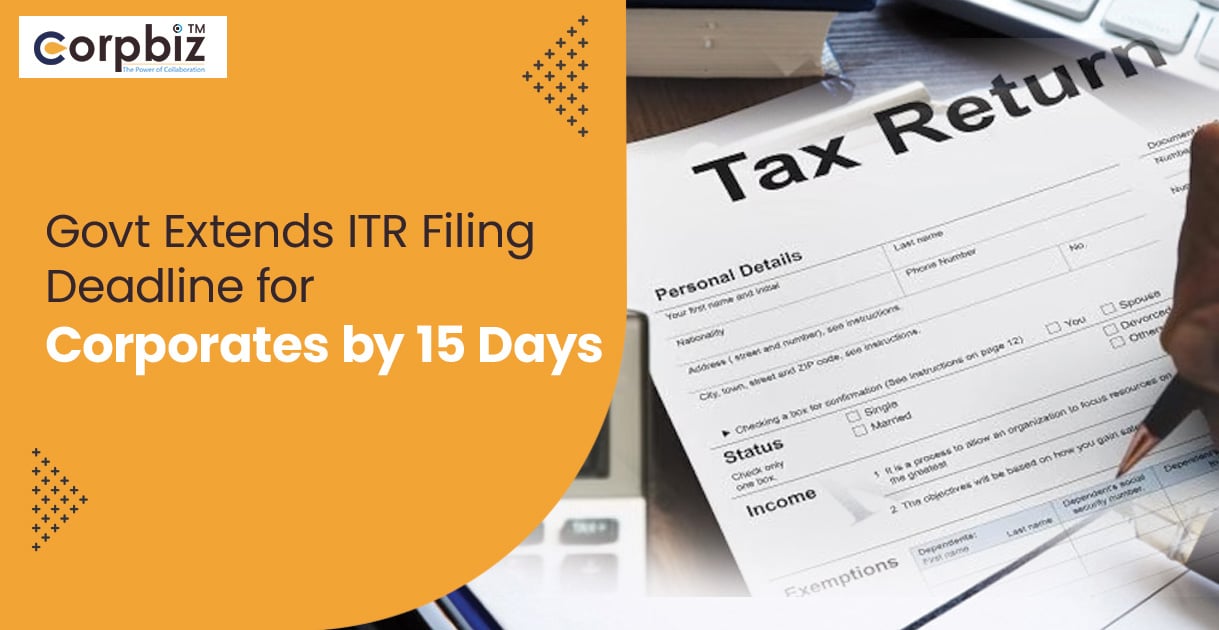



The new Income Tax Act, 2025, will come into effect on 1 April 2026, replacing the Income Tax Act, 1961. Under this new act, the ‘Assessment Year’ and ‘Previous Year’ are now replaced by ‘Tax Year’. But there has been no change in the rules of Section 87A rebates.
“Income tax rebate” is a benefit from the government in cases of reducing your total tax liability. It also allows you to pay zero income taxes. Section 87A Rebate is a major facility for middle-class and low-income earners. It helps to reduce the tax burden.
Under the 2026 budget, the rebate structure remains unchanged for FY 2026-27. If your income is up to ₹12 lakh, then you can get a maximum rebate of ₹60,000. You must pay zero income taxes.
This is very important for salaried employees. This facility helps them save a lot of money. Many people do not know they can avoid paying any tax at all by using the rebate.
What is the Section 87A Rebate?
Section 87A Rebate is a tax facility that reduces your tax liability. It does not reduce your income, but reduces a certain portion of the calculated tax. Under the Income Tax Act, 2025 (effective from Tax Year 2026-27), this rebate is housed under Clause 156 (corresponding to Section 87A of the old act), but its operation remains the same.
This rebate is applied after calculating your tax but before adding the 4% health and education cess. So, it directly affects your final tax. If your income is within a certain limit, then using the rebate can make your entire tax bill zero.
Key Updates for FY 2026-27- Budget 2026 & Income Tax Act 2025
Under the 2026 budget, the Section 87A Rebate will remain unchanged. But a significant structure and procedural change will be effective from 1st April 2026. Here are some important things that every taxpayer should know:
Some key updates are-
- The rebate amount has been increased to ₹60,000 in the new tax regime for FY 2026-27
- In the new tax regime, the income limit has been kept up to ₹12 lakh
- The new law has been fully implemented from 1 April 2026
- The term ‘Tax Year’ is now used instead of the terms ‘Previous Year’ and ‘Assessment Year’.
- The new tax regime is under 202 (earlier Section 115BAC).
- The ITR-3 and ITR-4 filing deadline will be extended to 31st August for non-audit taxpayers.
- The standard deduction for salaried individuals will be at ₹75,000 under the new regime. It is making an effective tax-free limit of ₹12.75 lakh for salaried persons.
- Buyback income will be taxed as capital gains (not dividends) from April 2026 onwards.
Talk To Expert

Need help? Contact Corpbiz experts today.
(4.8)

Eligibility Criteria for Section 87A Rebate
There are certain conditions to get the rebate. Not all taxpayers will be able to take this benefit. The conditions are given below –
Eligibility conditions:
- Only resident individuals will get this benefit
- Income should be within ₹12 lakhs in the new tax regime (Tax Year 2026-27)
- Income should be within ₹5 lakhs in the old tax regime
- Senior citizens (aged 60–79) are eligible
Those who will not get this benefit:
- NRIs (Non-Resident Indians)
- HUF (Hindu Undivided Family)
- Company or Firm
- Super senior citizens (aged 80 and above)
Read more – Income Tax Notice Under Section 142 (1)
Section 87A Rebate Limit: New vs Old Tax Regime
Here is the comparison between the new and old tax regimes of the rebate:
| Particulars | Old Tax Regime | New Tax Regime |
| Income Limit | Up to ₹5 lakh | Up to ₹12 lakh |
| Maximum Rebate | ₹12,500 | ₹60,000 |
| Tax Payable | Nil (if eligible) | Nil (if eligible) |
| Standard Deduction (Salaried) | ₹50,000 | ₹75,000 |
| Effective Tax-Free Limit (Salaried) | Up to ₹5 lakh (post deductions) | Up to ₹12.75 lakh (gross salary) |
| Deductions Allowed | Yes (80C, 80D, HRA, etc.) | No major deductions |
| Default Regime? | No (opt-in required) | Yes (default from FY 2024-25 onwards) |
Section 87A Rebate offers more benefits to the new tax regime. Because here the income limit is higher, and the amount of the rebate is also much higher.
If you do not have many deductions, then the new tax regime may be better for you. However, if you are saving tax by investing a lot, then the old regime can also be useful. You can easily make your tax zero by using the section correctly.
How Does the Section 87A Rebate Work?
Here is a simple step-by-step explanation of how the rebate works:
Step 1: Calculate your gross income
Take the total income from salary, business, and interest
Step 2: Then, exclude the available deductions
For example: Standard deduction of ₹75,000 under the new regime for salaried persons
Step 3: Now your taxable income will come out
This is the actual income on which tax will be levied
Step 4: Calculate tax according to the tax slab
At this stage, your total tax amount will be known
Step 5: Apply Section 87A rebate
This reduces your tax or makes it zero
Step 6: Add 4% Health and Education Cess on the remaining tax (after rebate)
Step 7: Deduct any TDS, TCS, or advance tax already paid to find net payable or refund
It is usually calculated automatically on the ITR portal. So, you don’t have to do anything separately.
Read more – Easy Guide to Section 115BAB of Income Tax Act
Income Tax Calculation Examples
Now we will understand how Section 87A Rebate works with a simple example.
Example 1: New Tax Regime for Salaried Person
Suppose a person has an income of ₹12.75 lakh.
- Gross Salary: ₹12,75,000
- Less Standard Deduction: ₹75,000
- Taxable Income: ₹12,00,000
- Tax (as per slab): ₹60,000
- Rebate under Section 87A: ₹60,000
- Final Tax Payable: ₹0 (Zero)
The entire tax has been reduced by the rebate. So, he did not have to pay any tax.
Example 2: New Tax Regime- Non-Salaried Individual
Suppose a self-employed person has a taxable income of ₹12 lakh.
- Total Taxable Income: ₹12,00,000
- Tax (as per slab): ₹60,000
- Rebate under Section 87A: ₹60,000
- Final Tax Payable: ₹0 (Zero)
Example 3: Old Tax Regime
Suppose another person has an income of ₹5 lakh after deducting deductions.
- Total Income: ₹500,000
- Tax (as per slab): ₹12,500
- Rebate under Section 87A Rebate: ₹12,500
- Final Tax Payable: ₹0
The tax has become completely zero by using it. These examples show that if your income is within a certain limit, you can easily save on taxes.
Marginal Relief Under Section 87A Rebate
Marginal relief is an important safeguard for taxpayers. If your income is a little more than ₹12 lakh, then you will not have to pay more tax all of a sudden. The tax will be limited to the amount of additional income.
Example:
Let’s say a non-salaried individual income is ₹12.10 lakh
- Taxable Income: ₹12,10,000
- Extra income above ₹12 lakh: ₹10,000
- Total tax before rebate: ₹61,500 (approx.)
- Tax after marginal relief: ₹10,000 (capped at excess income)
- Rebate applied: ₹51,500
- Final Tax Payable: ₹10,000 (+ 4% cess)
Here, the tax is kept equal to only the additional ₹10,000 income. Thus, it saves you from the burden of additional tax by providing marginal relief.
Read more – ITR Intimation Password Under Section 143(1) of Income Tax Act
Incomes Not Eligible for Section 87A Rebate
Section 87A Rebate is not available on all types of income. This benefit does not apply to specific income. Here are some cases given below:
- LTCG under Section 112A
This rebate is not available in case of long-term capital gain from shares or equity mutual funds
- STCG under Section 111A
Some short-term capital gains are taxed at a specific rate, where the rebate is not applicable
- Lottery/Game Show Income
Income from lottery, online games, or prize money is taxed at a special rate. This Rebate is not available on such types of income
This rebate is not applicable to income that is taxed at a special tax rate.
New Income Tax Act 2025- What are the changes for Individual Taxpayers?
There have been no major tax changes for ordinary taxpayers under the new Income Tax Act, 2025. The tax rates, deductions, or exemptions remain the same. The key changes have been in some rules and names so that things are easier to understand.
Below are the important changes in simple terms:
- Now, instead of ‘Previous Year’ and ‘Assessment Year’, only ‘Tax Year’ will be used. It will be filed and calculated in the year in which the income is earned
- Section 87A Rebate is now placed in Clause 156 in the new law. The benefits are the same; only the section number has changed
- The new tax regime is now under Section 202. The rules and tax rates will remain the same
- ITR filing deadline:
ITR-1 and ITR-2: 31 July
ITR-3 and ITR-4 (non-audit): 31 August
The earlier TDS sections (192–194T) have now been merged into Section 393
- The education allowance is now ₹3,000/month per child (previously ₹100)
- Hostel allowance is now ₹10,000/month per child (previously ₹300)
- From April 2026, buyback money will be taxed as capital gain instead of a dividend
New Tax Regime Slabs- FY 2026-27
The slabs of the new tax regime for FY 2026-27 are the same as the previous year. Here is a simple breakdown:
Taxable Income Tax Rate
| Taxable Income Slab | Tax Rate |
| Up to ₹4 lakh | Nil |
| ₹4 lakh to ₹8 lakh | 5% |
| ₹8 lakh to ₹12 lakh | 10% |
| ₹12 lakh to ₹16 lakh | 15% |
| ₹16 lakh to ₹20 lakh | 20% |
| ₹20 lakh to ₹24 lakh | 25% |
| Above ₹24 lakh | 30% |
- An additional 4% Health and Education Cess will be levied on this tax
- A surcharge may also be applicable in case of higher income
So, there is no change in the tax slab. You can calculate and plan your tax as before.
Key Points to Remember Before Claiming Section 87A Rebate
There are some important things to remember before taking the rebate. This will reduce mistakes, and you will get the full benefit.
- This rebate is applied before adding the 4% Health and Education cess.
- The amount of rebate will be a tax or a certain limit (₹60,000 in new regime; ₹12,500 in the old regime).
- Only individual taxpayers can take this benefit
- HUF, companies, NRIs, and super senior citizens (80+) are not eligible.
- This benefit is available in both the old and the new tax regimes.
- Not available on income taxed at special rates (e.g., LTCG under Section 112A, STCG under Section 111A)
- The ITR portal calculates and applies the rebate automatically.
- From Tax Year 2026-27, the file will be returned under the new Income Tax Act, 2025 framework.
Benefits of Section 87A Rebate
The rebate is beneficial for ordinary taxpayers. Some of its key benefits are given below:
- It directly reduces your tax burden
- The tax becomes zero income up to 12 lakhs.
- Salaried persons can benefit up to ₹12.75 lakh pay zero tax.
- Encourages people to file ITR
- Very helpful for salaried and middle class
- Your savings help to increase by eliminating or reducing tax outgoes.
- Tax planning becomes easy
Read more – Form 10BD of Income Tax Act: A Guide to Compliance
How can Corpbiz help you?
Calculating taxes and using the rebate correctly may seem a bit complicated. So, Corpbiz can be of great help to you.
Corpbiz helps you with the following services:
- ITR Filing: Helps you file income tax returns correctly
- Tax Planning: Provides proper guidance on how to pay less tax
- Business Registration: Makes registration easier when starting a new business
- Compliance Services: Helps you comply with all types of legal and tax compliance correctly
Corpbiz’s expert team makes the entire process easy. You can leave your tax, and compliance matters to them without worrying.
If you want to take full advantage of the rebate, professional guidance is very important. Get professional help today, and your tax troubles will be reduced.
Conclusion
The Section 87A Rebate is a tax benefit that provides great relief to the common man. Especially in the new tax regime, the opportunity to get a rebate of ₹60,000 on income up to ₹12 lakh has made tax zero for many.
This rule is beneficial for salaried and middle-class people. You can easily reduce your taxes or avoid proper planning. It is important to understand the rules properly.
Corpbiz can be by your side to complete the entire process in a hassle-free way. Get Corpbiz’s tax advisory services and make your tax planning easier.
Helpful Questions About Income Tax Rebate Under Section 87A
What is the Section 87A Rebate?
Section 87A Rebate is a tax benefit under the Income Tax Act. It directly reduces your calculated tax liability. It does not reduce your income but directly affects your taxes. If your income is within a certain limit, then using this rebate can completely reduce your tax.
Who is eligible for the Section 87A Rebate?
Only resident individuals can get the Section 87A Rebate. If you are residing in India and your income is within the specified limit, you will get this benefit. Some, like NRIs, HUFs, companies or firms, and super senior citizens (above 80 years of age), are not eligible. As per tax year 2026-27, this rebate is available if the income is up to ₹12 lakh in the new tax regime and up to ₹5 lakh in the old regime.
What is the rebate limit in the new tax regime?
The limit of the Section 87A Rebate in the new tax regime is much higher. As per FY 2025-26, if your taxable income is up to ₹12 lakh, then you can get a maximum rebate of ₹60,000. As a result, in many cases, your tax becomes completely zero. Also, if you take a standard deduction of ₹75,000, then a total income of up to ₹12.75 lakh may not be taxed. The new tax regime has become more convenient for many people.
Has the Income Tax Act changed in FY 2026-27?
The new Income Tax Act, 2025, has been introduced from FY 2026-27. However, there has been no major change for the common man. Tax rates, deductions, and exemptions all remain the same. The key changes have been in the structure of the rules and some names so that things can be understood more easily.
What is meant by ‘Tax Year’ in the new Income Tax Act, 2025?
The new Act no longer uses two separate words, ‘Previous Year’ and ‘Assessment Year’. These are replaced by ‘Tax Year’. The tax year 2026-27 will be from 1 April 2026- 31 March 2027. The income during this period will be filed in the same tax year. This has made the whole process easier.
Can NRIs get the Section 87A rebate?
No, NRIs are not eligible under the Section 87A rebate. This benefit is for residents. If you live abroad and file taxes as an NRI, then this rebate will not be applicable. So, residency status is very important here.
Is Section 87A Rebate available on Capital Gains?
The rebate is not available on all types of capital gains. This rebate is not applicable in the case of LTCG under Section 112A (equity shares) and some STCG. These are taxed at special tax rates. However, a rebate can be available on other types of capital gains.
What is Marginal Relief?
Marginal relief is some extra tax relief for a specific taxpayer. When a taxpayer's income is a little more than 12 lakh, then he doesn’t need to pay the tax. This facility helps taxpayers with a certain limit, like 60 thousand for 12 lakh annual income of 12 lakh. This does not put extra pressure on taxpayers.
What is the difference between a rebate and a deduction?
Rebates and deductions are two different things. Section 87A Rebate directly reduces the amount of tax. On the other hand, deductions (like 80C and 80D under the old regime) reduce your taxable income. For example, an 80C deduction of ₹1.5 lakh reduces income, and a rebate of ₹60,000 reduces tax. So, the effect of the rebate is more direct and easier to understand.
How to claim the Section 87A rebate while filing ITR?
Claiming the rebate while filing an ITR is easy. You do not have to do anything separately. You just must give your correct income and deduction details. The ITR portal automatically applies the rebate within specific income limits. So, for Tax Year 2026-27, ITR-1 and ITR-2 are due by 31st July 2027, and ITR-3/ITR-4 (non-audit) are due by 31st August 2027.
Read more – Throwing Light on Section 194A of the Income Tax Act