


The India Green Ammonia market is in the limelight, and the country embraces the idea of sustainability and renewable energy. In fact, with increasing global awareness and environmental challenges, the shift towards green technologies has become more of a necessity than an option.
India is among the major contributors to the worldwide production of ammonia, and this time, the country is leading the innovation of green ammonia production in order to reduce Greenhouse Gas (GHG) emissions and support a cleaner energy future.
An overview of the Green Ammonia Market in India, its size, growth, and forecast for the period up to 2032 are discussed in this blog.
Understanding Green Ammonia
The green ammonia production process is entirely renewable and carbon-free, quite contrary to traditional production methods of ammonia. The conventional Haber-Bosch process for ammonia synthesis, which uses fossil fuel, is the major emitting industrial source of greenhouse gas emissions.
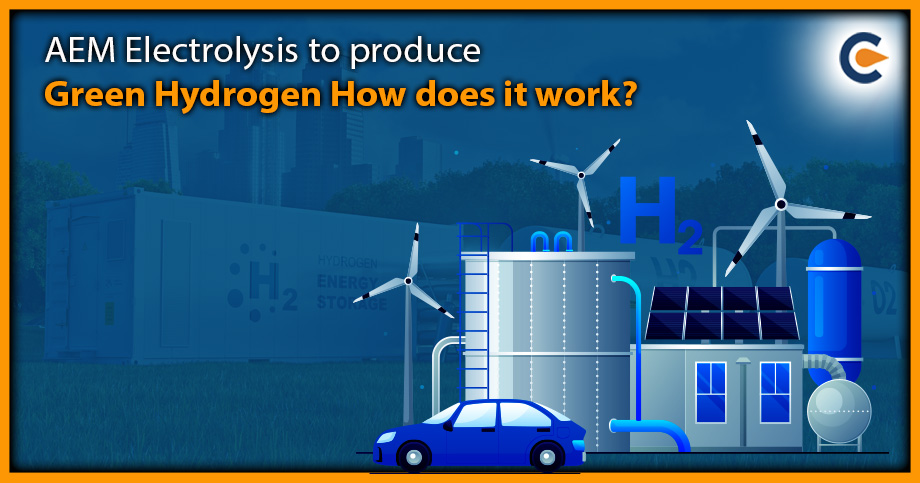
Green ammonia, however, depends on renewable energy sources such as wind and solar to drive electrolysis and produce hydrogen, which is then combined with nitrogen from the air to form ammonia.
Transitioning from conventional to green ammonia involves various environmental challenges, such as reducing the carbon footprint of industries dependent on ammonia, such as fertilizers and shipping fuels. A carbon credit trading scheme can assist in reducing carbon footprints.
India’s Role in the Global Ammonia Landscape
India is among the largest producers of ammonia in the world, accounting for about 8% of the total world production. Ammonia is at the heart of the agriculture industry in India, as the major use of ammonia in the country is in the manufacture of urea, a very important nitrogenous fertilizer. However, domestic production is not enough to cover the demand, and significant imports are required. According to the World Bank, in 2021, India imported 2.4 million tonnes of ammonia, making it the second-largest ammonia importer in the world.
This dependence brings out the imperative of scaling up domestic production capacities, through green ammonia solutions, which have the dual benefit of reducing reliance on imports and helping the country in staying aligned with global sustainability goals.
Talk To Expert

India Green Ammonia Market Size, Growth & Forecast to 2032
(4.8)


Market Drivers for Green Ammonia in India
Various critical factors are driving the India Green Ammonia market, placing it in the line for substantial growth. Some of the factors are as follows:
Global Warming and Environmental Awareness:
The negative effects of climate change have spurred the global and local initiatives to mitigate GHGs. The country also plans to adopt renewable energy technology in all sectors, which is a part of its commitments under the Paris Agreement. These aspirations are consistent with the ideals of green ammonia, which provides cleaner technologies for fossil fuel dependence industrial processes.
Increased demand for fertilizers:
Fertilizers are extensively utilized in farming in India because of the rising population’s persistent need. Ammonia is one of the most important nitrogen sources, and it is required for producing fertilizer. Green ammonia is now at the forefront of research development in sustainable agriculture practices as there is a global trend to move towards organic and eco-friendly fertilizers.
Supportive Government Initiatives:
India has been quite proactive in order to encourage green ammonia as well. The support of the Ministry of New and Renewable Energy has been enlisted to pilot green hydrogen projects that are essential for the creation of green ammonia. The nation has plans to establish green ammonia bunkering facilities at ports by 2025 and thereby retrofit the Government-owned vessels to utilize green hydrogen derivatives by 2027.
Technological Advancements and R&D Investments:
Advancing renewable energy technologies and major investments in research and development further accelerate the pace of green ammonia adoption. Companies and other stakeholders are working on improving production efficiency and scaling up infrastructure to meet the growing demand.
By looking at the key market drivers, entrepreneurs are taking interest in green ammonia plant setup nowadays.
Challenges in the Adoption of Green Ammonia
Despite the promise of the green ammonia market, it faces several challenges that need to be addressed:
- High Initial Investment:
Green ammonia manufacturing necessitates significant financial investment in ammonia synthesis facilities, electrolysis technology, and renewable energy infrastructure.
- Energy Intensity:
The electrochemical Haber-Bosch process is highly energy-intensive, requiring continuous and high renewable energy inputs, possibly not feasible for locations with more sporadic energy supplies.
- Policy and Regulatory Gaps:
While there are some initiatives to support green ammonia, what is needed is more policy coherence and financial incentives to spur the large-scale adoption of technologies.
Current Market Scenario
The green ammonia market in India is still in its nascent stage, but it is evolving rapidly. Growing demand for green fertilizers and integration of renewables into industrial processes are all building blocks for a strong market. Leading domestic players, along with international collaborations, are setting up the stage for large-scale green ammonia projects.
➢ Key Developments:
- Pilot Projects: Projects like the green hydrogen-ammonia pilot projects are funded by the government and are leading to commercial-scale production.
- Alliance: Collaboration between Indian and International players to leverage advanced technology and expertise.
- Infrastructure Development: Planning for port facility development to accommodate green ammonia bunkering and refuelling.
Market Size and Growth Projections
- 2022-2023 – Establishment of Market:
The green ammonia market in India has been witnessing encouraging growth due to rising environmental awareness and support by the government. Though very minimal, the said adoption marked the beginning of laying the grounds for further expansion.
- 2024-2027 – Rapid Expansion:
The next phase will comprise rapid growth with the scaling up of production facilities. Key activities that will mark this next phase include:
- The development of the first green ammonia bunkering facilities in the world by 2025.
- Retrofitting public vessels to make them run on green hydrogen or its derivatives by 2027.
- 2028-2032 – Market Maturity:
By 2032, the market for green ammonia in India is expected to achieve widespread adoption, with green ammonia becoming a common feedstock for fertilizers and a promising fuel alternative for industries such as shipping.
The market is expected to grow at a Compound Annual Growth Rate of 8-10% during this period, driven by:
- Technological advances in production lower costs.
- Renewable energy integration policies and incentives.
- Increased private sector participation.
Key Market Segments
Given below are some of the key market segments-
Fertilizers:
Fertilizer is the major application of green ammonia that will continue in the Indian market. With increasing population and eventual urbanization, agricultural demand is bound to increase, thus providing an excellent scope for green ammonia to act as an alternative to conventional ammonia in a sustainable manner.
Shipping Fuel:
Green ammonia as a clean fuel is also being checked out by the shipping industry. India’s Strategic interest in green ammonia bunkering facilities indicates that this sector has the potential to be a large-scale consumer.
Industrial Applications:
Apart from its fertilizers and fuel, green ammonia has possible further applications in industries such as chemicals and power generation as a carbon-free energy carrier.
Future Outlook
- Enhanced Policy Framework:
For growth to be sustained, India must introduce robust policies that will support the production and adoption of green ammonia. Subsidies, tax incentives, and mandatory renewable energy quotas can catalyze further market development.
- Technology Advancements:
Developments in electrolysis and storage of renewable energy will remain critical in the reduction of energy intensity and cost.
- Export Opportunities:
With its strategic geographical location and growing production capacity, India could become a significant exporter of green ammonia, primarily to regions with ambitious carbon neutrality goals, such as Europe and East Asia.
Conclusion
The green ammonia market of India represents one significant step toward the goal of a sustainable energy future. Green ammonia is addressing environmental challenges with renewable energy offering enormous potential for industry transformation and reduction in the carbon footprint.
The green ammonia market, therefore, will see significant growth during the forecast period, with proactive government support, growing investments, and improving technologies.
While India is placing more and more emphasis on renewable energy, the opportunities inherent in the green ammonia industry become self-explanatory since a domestic economy will be made strong and position India as a torchbearer for clean energy suppliers globally.
Are you an entrepreneur planning to rule the green ammonia market? If so, visit https://corpbiz.io/ and get expert assistance for green ammonia plant setup in India.
Frequently Asked Questions
What is green ammonia, and how is it produced?
Green ammonia is ammonia made without carbon and with renewable resources. Green ammonia produces hydrogen by electrolysis powered by sustainable energy sources like solar or wind, in contrast to traditional ammonia, which depends on fossil fuels.
Ammonia is created when this hydrogen combines with atmospheric nitrogen, making the process eco-friendly.Why is India focusing on green ammonia production?
India is a leading producer of ammonia and heavily depends on it for fertilizers. However, traditional production methods emit significant greenhouse gases. By adopting green ammonia, India aims to:
• Reduce its carbon footprint.
• Align with global sustainability goals under the Paris Agreement.
• Reduce reliance on ammonia imports.
• Support sectors like agriculture and shipping with sustainable alternatives.What are the key drivers for India’s green ammonia market?
Green ammonia is growing in India due to a number of factors, including:
• Increased environmental awareness and commitments to reduce GHG emissions.
• Increased need for fertilizers as a result of population growth.
• Initiatives from the government to assist ammonia and green hydrogen projects.
• Advancements in renewable energy technologies and R&D investments.What challenges does the Indian green ammonia market face?
The adoption of green ammonia in India faces hurdles such as:
• High initial investment in renewable energy infrastructure and technology.
• Energy intensity of the electrochemical Haber-Bosch process.
• Policy gaps and the need for financial incentives to drive large-scale adoption.What is the future outlook for the green ammonia market in India?
The green ammonia market in India is poised for significant growth:
• By 2025: Development of green ammonia bunkering facilities.
• By 2027: Retrofitting state-owned ships for green hydrogen derivatives.
• By 2032: Widespread acceptance with a predicted CAGR of 8–10%, bolstered by regulations
promoting renewable energy, growing private sector involvement, and technological advancements.
Additionally, India is well-positioned to grow into a significant exporter of green ammonia to carbon-neutral regions like East Asia and Europe.
Read more Blogs: India’s Renewable Energy Journey for Emerging Economies