

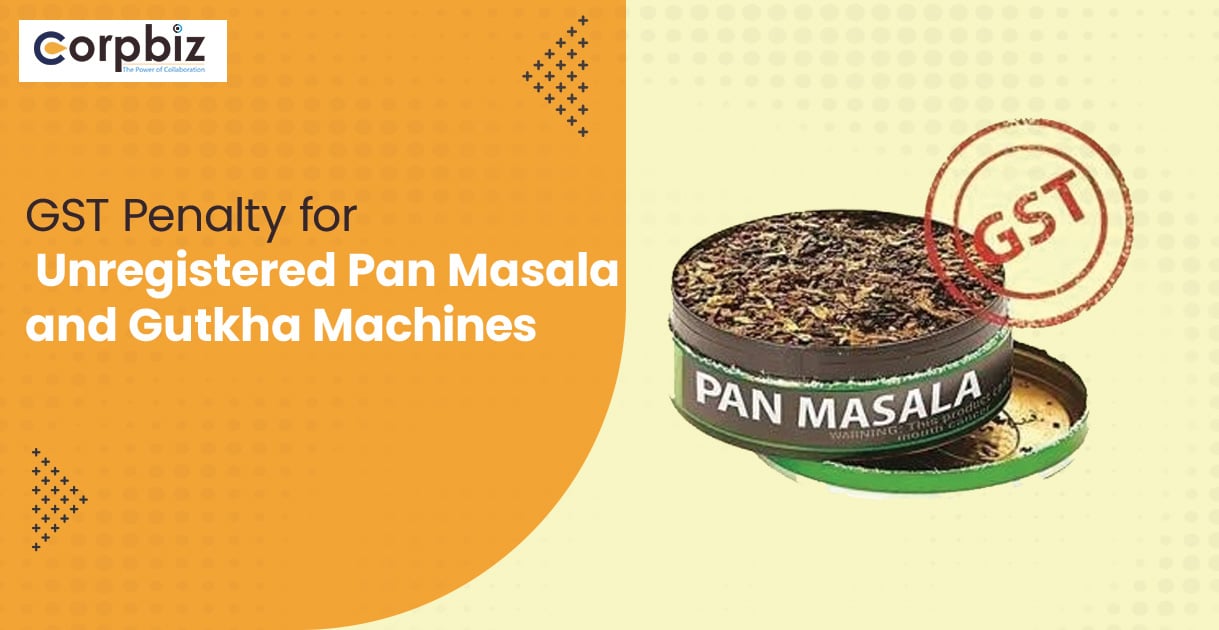
A major shift in the regulatory landscape has taken place with the government’s decision to impose a GST penalty on manufacturers of gutkha, pan masala, and other tobacco products for not registering their packaging machines under the Goods and Services Tax (GST). Imposition of GST penalty for unregistered pan masala and gutkha machines will empower the taxation system of our country.
Starting from October 1, 2024, this initiative will help to curb tax evasion within the tobacco manufacturing sector, commonly associated with compliance and transparency problems.
This blog will give a thorough rundown of the relevant historical background, important new legislation, their effects on the sector, and the problems, trends, and long-term ramifications. Also, manufacturers of unregistered pan masala and gutkha machines under GST must go thoroughly through this writeup.
Historical Context of GST in India
The Goods and Services Tax (GST) was initiated in India on July 1, 2017, to bring massive reforms and eliminate India’s complicated tax structure system. Earlier, the Indian taxation structure involved a variety of taxes, such as Central Excise Duty, State Value Added Tax and different types of local taxes. This situation fragmented the tax processes and was a breeding ground for compliance and transparency issues.
Layout of the Tobacco Sector under GST
The tobacco industry is one of the most important industries in India in terms of revenues secured. Therefore, it has always drawn the attention of tax authorities because of its high revenue-generating capacity and damaging effect on consumers’ health. Tobacco products are taxed at multiple rates, including GST and a compensation cess. The compensation cess is collected to specifically compensate the states for their lost revenues due to the introduction of GST.
Despite the legal structure, tax evasion has continued to be a problem in the tobacco industry, especially in the pan masala and gutkha categories. These goods, frequently offered at lower price points, have been linked to substantial tax leakage, forcing the government to enact strict regulations to improve compliance.
Importance of the Improvement of Regulatory Measures
The need for tighter regulation in the tobacco sector stems from several factors:
Health Concerns
Pan masala is now popular and widely used all over the world, but the diseases associated with it include oral cancer, gum disease, other severe diseases, and gutkha. The public’s health and the burden of tobacco-related diseases are two main goals of the government’s efforts to control this product.
Revenue Loss
The illicit commerce of tobacco products, encompassing unreported production, has led to significant financial losses for the government. The Indian government is reportedly losing about ₹13,000 crore every year through tax avoidance in tobacco-related businesses.
This loss is not only in terms of government revenues but also in the ability to sustain public health initiatives financed by tax revenues.
Market Dynamics
The emergence of substitute tobacco products and evolving consumer inclinations demand a regulatory structure that can adjust to market conditions while guaranteeing compliance. The traditional pan masala and gutkha markets are under threat as more consumers choose alternatives, which calls for regulatory control.
Environmental Concerns
The manufacture and disposal of tobacco products can have a big influence on the environment. In addition to encouraging sustainable practices within the sector, regulations that support responsible manufacturing practices can help reduce these effects.
Changes in Regulations for Pan Masala and Gutkha Machines
The Finance Act of 2024 introduces several key provisions aimed at regulating the tobacco manufacturing sector more effectively:
1. Compulsory Packing Machines’ Registration
The manufacturers of pan masala, gutkha, and other tobacco products must mandatorily register the machines utilized for the production process. This registration is important for managing the production capacities and observing established tax laws.
During the registration process, information regarding the machines, such as their features and production capacities, must be provided. Unregistered pan masala and gutkha machines will invite heavy penalties for the makers.
2. Penalties for Non-Compliance
As mentioned under the Act, the penalty for every unregistered pan masala and gutkha machine is up to ₹ 1,00,000. This penalty is intended to encourage producers to comply with the GST registration requirements by disincentivizing non-compliance.
However, it may involve direct financial charges, which may pose a big threat to small producers due to additional manufacturing costs.
3. Confiscation of Unregistered Pan Masala and Gutkha Machines
Besides the monetary loss, unregistered pan masala and gutkha machines that are involved in production activities can get seized and confiscated by the tax authorities. This provision gives officials the authority to immediately act on manufacturers of unregistered pan masala and gutkha machines that fail to meet the legal requirements hence increasing enforcement capacity.
Losing so much machinery can be a big thorn in the manufacturers’ side because it brings the question of production forward while at the same time threatening the stability of a company.
4. Grace Period for Compliance
Those manufacturers who proceed to pay the penalty imposed or complete the registration process within 72 hours of having received a penalty communication, their unregistered pan masala and gutkha machines will not be seized or confiscated. Such a grace period saves the manufacturer of unregistered pan masala and gutkha machines from hampering production.
The goal of this grace period is to minimize production disruptions and promote timely compliance. It shows that the government had an understanding that there is a need for equal responsiveness with the violators and not just the enforcement of laws.
5. Input Service Distributor (ISD) Registration
The Finance Act also provides rules for entities with various registrations to get registered as Input Service Distributors (ISD) to distribute the Input Tax Credit (ITC) concerning self-consumed services purchased by the Head Office.
With effect from April 1, 2025, this rule intends to improve compliance and simplify the tax credit distribution process. Better tax credit tracking will be made possible by the ISD system, which will also guarantee that companies can effectively handle their tax obligations.
Effects on the Tobacco Industry
These regulations are expected to bring a huge change in the tobacco industry, especially targeting the pan masala and gutkha markets. Here are some potential effects:
1. Increased Compliance Costs
The registration of machinery and the possible fines for non-compliance may result in higher compliance costs for manufacturers of unregistered pan masala and gutkha machines. This might cause operating budgets to be revised and pricing strategies to be reassessed. Smaller producers, in particular, would find it difficult to cover these expenses, which could result in their exiting the market.
2. Enhanced Monitoring and Transparency
The legal requirement to register packing machines is consistent since it is expected to improve monitoring and transparency of the business in the sector. In this way, the government gets reliable information on the production capabilities, to measure tax assessment and fight against unlawful activities such as smuggling. It may also encourage competition because some manufacturers who respect the regulations of the state will be seen as trustworthy and responsible.
3. Market Consolidation
The sector may consolidate if smaller producers find it difficult to adhere to the new rules and are driven out of the market. The reduction of competition may benefit larger, more compliant businesses by resulting in bigger market shares and increased pricing power. Additionally, a more uniform product offering from this consolidation may affect consumer choice.
4. Shift Towards Legal Compliance
Manufacturers may adopt more compliance processes if they face the possibility of heavy fines and seizures. Public health initiatives may eventually benefit from this change, as it could result in a more transparent and accountable industry. Manufacturers can invest in infrastructure and compliance training to guarantee regulatory compliance.
Read Our Article: Certification is Required for Steel for Piston Pins
Present Trends in the Tobacco Industry
As the regulatory landscape evolves, the tobacco industry is also experiencing several trends that could shape its future:
Rise of Alternative Tobacco Products
It is seen that consumers are moving to other tobacco products like e-cigarettes, vapes and heated tobacco products. Such a trend has been accompanied by concern about health risks and altering perceptions of tobacco use. Suppliers are gradually expanding their portfolios by providing these options, probably under regulations other than those of their original specialized fields.
Exploration of International Market
Due to hefty taxes and governmental scrutiny, many Indian tobacco makers are looking for potential in foreign markets since domestic sales are facing difficulties. Developing nations with relaxed restrictions offer extensive possibilities for expansion. Producers would probably spend money on market research to find possible export markets and customize their goods to fit regional tastes.
Adoption of Technology
Tobacco makers are progressively implementing technological solutions, like track-and-trace systems, to adhere to new regulations and combat illicit trade. These technologies help manufacturers to track the distribution of the products in the supply chain hence maintaining compliance with the markets and minimizing cases of duplicates. It also focuses on improving the operations of the company and mitigating the risk of unnecessary expenses.
Corporate Social Responsibility Initiatives
Due to raising concerns about the effects of tobacco products in the community, various tobacco companies are incorporating CSR by undertaking public campaigns to educate the community about the harmful effects of using tobacco products.
Frequently, these endeavours usually include informational campaigns and assistance with quitting programs. Companies hope to enhance their reputation and show commitment to ethical business practices by engaging in CSR.
Sustainability Decisions
As environmental issues become more important in the global landscape, more tobacco companies’ policies will be directed at sustainability. This entails using environmentally friendly factors in production, packaging, and waste control. Every company is striving to find new biodegradable packaging methods and sourcing products in an environmentally friendly way.
Key Challenges in the Tobacco Industry
The tobacco industry faces significant challenges, including stringent regulations and declining consumer demand due to health concerns. Below are some of the key challenges in the tobacco industry:
Resistance from Manufacturers
Given their perceived burden and expense, some manufacturers of unregistered pan masala and gutkha machines may oppose the new regulations. Such resistance may force the implementation to reach the court and take longer to implement. Manufacturers may request exemptions from certain regulations or campaign for modifications to the regulations, especially if they feel that the burden of compliance is excessively great.
Enforcement Difficulties
Tax officials will need to work hard and cooperate to ensure that the new requirements are followed. Effective enforcement is essential to achieving the intended results of higher tax collection and decreased illicit trade. However, tax authorities might need to invest in technology and training to improve their enforcement skills.
Consumer Behaviour Changes
Consumer behaviour may alter as the sector adjusts to new regulations. Manufacturers must be aware of how consumer preferences change to modify their marketing methods according to their needs. The growing number of health-conscious consumers could drive up demand for low-risk and tobacco substitute products.
Economic Pressures
Economic factors, including inflation and shifting disposable income, can impact consumer spending on tobacco products. Manufacturers’ income may be impacted if customers are compelled to tighten their spending plans. They might cut back on tobacco use or move to less expensive options.
To overcome challenges posed by new regulations in the tobacco industry, let GST advisory services guide you through the complexities of GST compliance and enforcement. All the manufacturers of unregistered pan masala and gutkha machines under GST must take the right action at the right time.
Future Projections for the Tobacco Sector
The tobacco sector will be significantly impacted by the implementation of fines for unregistered pan masala and gutkha machines and the larger regulatory framework:
1. Increased Regulatory Inspection
Manufacturers should anticipate intense inspection from tax officials as the government steps up its efforts to regulate the tobacco industry. Verifying compliance with registration and reporting obligations can entail conducting audits and inspections more frequently.
2. Innovation and Product Development
Tobacco businesses may need to invest in product research and innovation to stay competitive, focusing on developing new goods such as lower-risk options, tobacco substitutes, or alternative nicotine delivery systems to meet changing consumer preferences and regulatory demand.
3. Collaboration with Regulatory Authorities
Manufacturers may also want to engage regulatory bodies to be on the same side, especially in the fight against compliance challenges. Through effective communication, Manufacturers can learn about regulatory requirements and help create equitable and efficient regulations by having an open discussion.
4. Health and Wellness
Manufacturers may need to take a more health-conscious position as public awareness of the negative health effects of tobacco use grows. This could mean changing the formulations of products to remove an unhealthy component or conducting research on their products’ effects.
5. Long-Term Sustainability
The tobacco industry will have to think about how to run its business sustainably over the long run. It covers social and economic sustainability in addition to environmental sustainability. Manufacturers might have to implement procedures to guarantee that their business models are resilient to consumer preferences and regulations changes.
Conclusion
The GST has introduced penalties for manufacturers of unregistered pan masala and gutkha machines to improve compliance and reduce tax fraud in the tobacco manufacturing industry. By registering packing machine businesses and enforcing penalties for non-compliance, the government wants to make them more open and accountable.
Although the new rules come with hurdles, firms can also use them to innovate and adapt. The willingness of manufacturers to adopt these compliance measures, their efficient execution, and the enforcement of these measures by tax authorities will determine their effectiveness.
To take advantage of these opportunities and challenges, stakeholders need to stay alert and proactive in this constantly changing landscape. By doing this, they can contribute to the development of an industry that is more sustainable and transparent and puts the health of its customers at the centre.
Ensure compliance with the new GST regulations for Pan Masala and Gutkha Machines to avoid penalties it’s crucial to keep up with accurate GST return filing and seek GST advisory services by visiting our website Corpbiz to optimize your tax process efficiently.
Frequently Asked Question
What is the penalty for unregistered pan masala and gutkha machines?
For everyone who does not register a packaging machine, the penalty cost might reach ₹1 lakh. This large financial penalty is intended to promote compliance among producers and minimize tax evasion within the industry.
When will the penalties for unregistered machines will come into effect?
The fines will take effect on October 1, 2024. This schedule offers manufacturers enough time to ensure that their equipment is registered and complies with the new rules.
Why register packing machines in the tobacco sector?
Packing machine registration is essential for monitoring production levels and guaranteeing that firms adhere to tax laws. This regulation aims to improve transparency and reduce tax evasion in the tobacco industry.
What is the new Cess mechanism for pan masala?
A specific rate-based charge on the highest rate of their retail selling price has replaced the previous value-based compensation cessation on pan masala and chewing tobacco. With this modification, taxes will now be based on actual product pricing rather than volatile market values, which should increase revenue collection.
When will ISD registration become compulsory?
Beginning on April 1, 2025, entities with multiple registrations will be required to register with the ISD. This requirement improves efficiency and compliance by streamlining the Input Tax Credit (ITC) distribution process for services that the Head Office has acquired.
How will small manufacturers be affected?
Small-scale manufacturers might find it challenging to keep up with the growing expenses of compliance and regulations, which could force them out of the market. Reduced competition may favour large and resource-rich manufacturers, leading to market consolidation.
What technologies are used for compliance?
Producers are rapidly using track-and-trace technology to monitor their goods throughout the supply chain. This technology eventually improves product integrity by lowering the possibility of counterfeiting and assisting in ensuring regulatory compliance.
What is the role of CSR initiatives in India?
Tobacco businesses are realizing the importance of Corporate Social Responsibility (CSR) programs in the efforts to boost their image in the eyes of the customer. These programs show a dedication to public health by featuring educational efforts on the dangers of tobacco use and support for cessation programs.
How will these regulations benefit public health?
These restrictions can minimize tobacco consumption by improving compliance and decreasing tax evasion. By reducing the prevalence of tobacco-related diseases and the accompanying healthcare expenses, this reduction can have a major positive impact on public health.
How can manufacturers prepare for changes?
The first step for manufacturers should be to assess their present compliance procedures and ensure that every packing machine is registered. They may also need to spend money on resources and training to comprehend the new rules and successfully carry out the required operational adjustments.
How will consumer prices be impacted?
Manufacturers may increase prices due to increased registration expenses and possible penalties. This price rise may impact consumer purchasing decisions, particularly in market categories where consumers are sensitive to pricing.
How can technology aid compliance?
Technology can help manufacturers comply with regulations by automating the tracking of production processes and streamlining the registration procedure. By using digital solutions, manufacturers can lower the possibility of errors and guarantee proper reporting to tax authorities.
What are the long-term implications for the industry?
Long-term effects could include increased public trust due to an industry that is more open and compliant. Furthermore, as firms adjust to evolving customer preferences and legal obligations, these restrictions may spur innovation.
How can the government support manufacturers?
The government can assist manufacturers in comprehending and adhering to the new laws by offering advice, materials, and training courses. Facilitating workshops and providing educational resources can facilitate the shift and encourage a compliance-oriented culture.
How will these changes affect illicit trade?
These restrictions aim to reduce the illegal tobacco trade, which has been a major problem for the industry, by increasing compliance and transparency. This reduction can safeguard lawful enterprises and improve public health through the availability of safer items on the market.
What strategies can manufacturers adopt?
To stay competitive, manufacturers should concentrate on innovation, diversify their product lines, and implement sustainable practices. Their ability to cater to consumer desires for healthier options can help them expand into new market niches.
How can data analytics be leveraged?
Manufacturers can learn more about their production processes and discover opportunities for improvement by employing data analytics. This analytical method can eventually improve operational effectiveness by guaranteeing proper reporting and adherence to legal requirements.
What role does consumer education play?
Providing customers with information on the dangers of tobacco use will help them make wise decisions and possibly lower total usage. A greater understanding can enable people to support public health programs and make healthier decisions.
How can profitability be balanced with responsibility?
The industry may strike this balance by investing in safer product substitutes, participating in corporate social responsibility endeavours, and abiding by laws that prioritize public health. Manufacturers can improve their reputation and cultivate goodwill by harmonizing their business operations with societal norms.
What future trends should be known by manufacturers?
Emerging trends include the increased need for healthier substitutes, internet marketing tactics, and sustainability initiatives that manufacturers should consider. Staying up to date on consumer preferences and regulatory changes will be essential to adapt to the changing market environment.