

The growing use of environmentally and energy-efficiently friendly packaging techniques drives a paradigm change in the bioplastics industry. Businesses and consumers alike are looking for more environmentally friendly options as they become more conscious of the effects that conventional plastic manufacturing has on the environment.
The market for bioplastic goods has increased due to this awareness and easy access to renewable raw materials for the production of bioplastics. Bioplastic manufacturing is a more energy-efficient approach than regular plastic production, using 65% less energy throughout the manufacturing process.
Bioplastics also have no negative impact on the ecosystem or soil since they break down quickly and with little toxicity. Prominent companies like Coca-Cola, Nike, Nestle, and Ford have noticed and are now eager to include bioplastic elements in their product lines. As a result, the market has gained prominence in various countries due to the explosive growth in the usage of bioplastics in numerous applications.
Overview of Bioplastics
Conventional plastics are sourced from natural gas, oil, or plants; conversely, most bioplastics are produced by a chemical process that turns sugar from plants and other organic resources into the basic chemical compounds called polymers. Because biobased plastics are carbon neutral, their supply can help restore plastics’ reputation by substituting plentiful, biobased resources for fossil fuels.
Sugar cane, corn, wheat, starch potatoes, and non-food sources, including wood, miscanthus, cardoons, as well as waste streams from forestry and agriculture (straw, bagasse, bark) are examples of lignocellulosic and carbohydrate-containing feedstock.
Oleaginous feedstock includes used vegetable oils, glycerol from the manufacture of biodiesel, palm oil, soy, and sunflower oil, as well as non-food sources such as castor oil and waste streams such as tall oil.
Some bioplastics were carbon-neutral or biodegradable, even though these biobased materials are widely available. Similar to the vast array of diverse fossil-based plastics, there exists a similarly vast assortment of biobased polymers, each with unique features. Biobased feedstock and contents. Consequently, bioplastics might be classified as biobased, biodegradable, or occasionally neither.
It’s beneficial to clarify these words. Biobased refers to the feedstock or components used to make bioplastics, as previously indicated. The term “biodegradable” refers solely to the feedstock. It has to do with a characteristic connected to a product’s chemical structure and is quantifiable at that level.
Because of this, plastic materials can be 100% biobased or made entirely of plant resources and yet not biodegradable. On the other hand, plastic that comes only from fossil fuels could break down naturally.
Transform your bioplastics ideas into reality by performing company registration now and leading the way in sustainable innovation.
Why are Bioplastics Important?
Plastics are evolving due in large part to bioplastics. The possibilities of bioplastics will shape the plastics industry’s future. Sophisticated goods and uses are driving up demand for plastic, even though it still makes up less than 1% of the world’s yearly production of over 390 million tonnes. A study finds that simulations show that:
- If sugarcane completely replaced fossil feedstocks, greenhouse gas emissions would be reduced by around 25%.
Recycling all plastics now in use may have a comparable outcome.
- If current operations were converted to renewable energy, plastic emissions would be reduced by 62%.
Cutting the use of plastics in half might result in a 90% reduction in usage.
Biobased plastics (BBPs) provide a special benefit over traditional plastics. They are manufactured using plentiful and renewable plant-based materials. Establishing a closed-loop system where biomass is first used to make materials and then utilised again to create electricity can result in a more resource-efficient use of resources.
We can lower the likelihood that future generations will be exposed to microplastic contamination by effectively overseeing the end-of-life of BBPs. The most intriguing thing regarding recyclable plastics is their potential for breakdown into water, naturally generated substances, and biomass by microorganisms like bacteria or fungi.
Additionally, BBPs have a lower carbon footprint. Global plastic manufacturing is moving increasingly from standard to biobased resource origins, lessening greenhouse gas emissions and our reliance on finite fossil fuels. The plastics sector may become carbon neutral depending on the product, feedstock, and application. This aligns with nations’ goals for greenhouse gas emissions to avert climate catastrophe.
BBPs may work with current recycling processes as they are made entirely of plant-based, renewable, or recycled raw materials. Newly developed chemical and biological processes also make upcycling plastic trash into higher-quality materials possible. The United Nations (UN) Sustainable Development Goals (SDGs) may be partially achieved using these innovations in future circular economies.
Align your business with the future of sustainability, implement effective ESG strategies today, lead the bioplastic revolution, and reduce your carbon footprint.
Talk To Expert

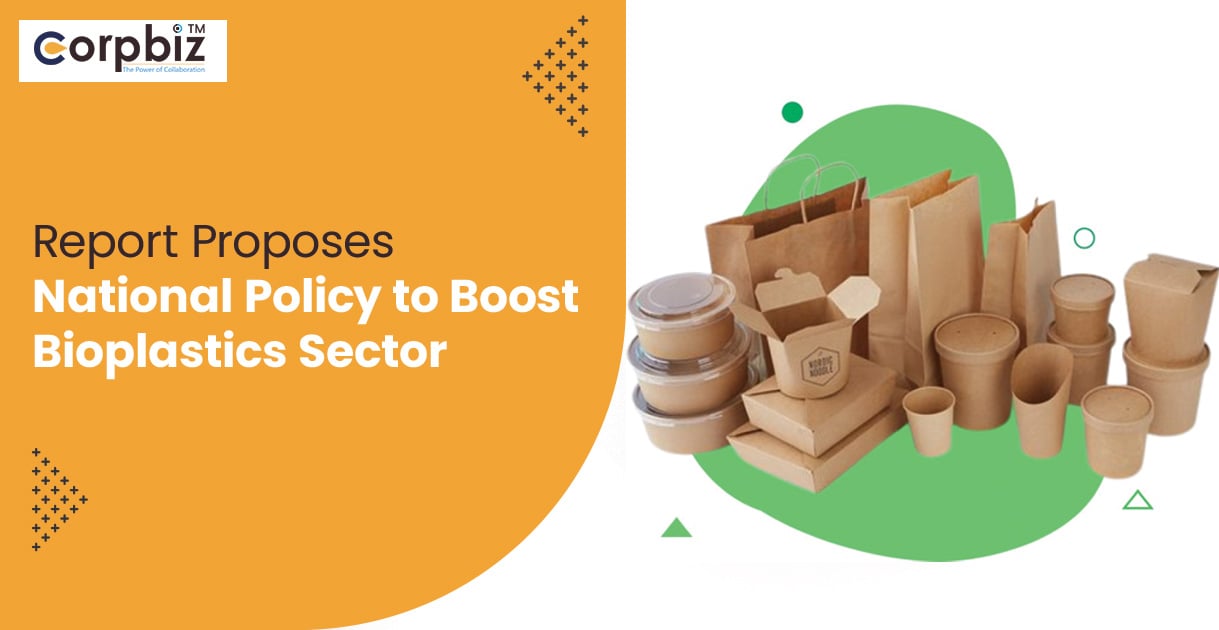
Report Proposes National Policy to Boost Bioplastics Sector
(4.8)


Report’s Key Proposal: National Policy for Bioplastics
An EY-ASSOCHAM research suggested a national strategy to establish India as a major centre for the production of bioplastics. The research titled “Incentivising Bioplastics, a Biopolymer:
A Step Towards a Circular and Sustainable Economy” makes the following recommendations for improving the sustainability of the bioplastics industry, including legislative changes, public education campaigns, government action, and agricultural resources.
The study suggests capital subsidies covering up to 50% of qualified investments over five years to encourage the sector’s expansion. To reduce upfront costs and promote wider use, it also suggests cutting the GST rate on bioplastics to 12% and supports progressive adoption incentives.
The report recommends that state governments implement sector-specific programs that offer a range of fiscal benefits, such as 50 percent capital subsidies, a seven-year interest subvention, fourteen-year SGST reimbursement on investments, and reductions on land and electricity subsidies. The programs might be tailored to attract significant investments or coordinate with current policy.
The paper suggests a phased strategy for regulation reform, akin to the movement against single-use plastics, and includes bioplastics in India’s plastic accord. Additionally, it recommends that specific businesses be forced to transition to bioplastic substitutes and face limitations on single-use plastics.
The report emphasises the significance of bio-based plastics as workable alternatives to conventional plastics. Bio-based plastics are polymers derived from renewable biomass, such as sugarcane, plant oils, starch, and cellulose. Encouraging indigenous production, usage, and recycling capacities requires an extensive national policy for bioplastics.
The policy may also contain regulations for trash segregation and composting at the municipal level to promote investment and innovation and increase India’s competitiveness abroad. According to thehindubusinessline.com, the research aims to drastically minimise environmental impact by 2040 by substituting 50% of disposable plastics with biodegradable alternatives.
Challenges within the Bioplastics Industry
Take a look at the challenges within the Bioplastic industry, such as:
· Cost Considerations
The manufacture of bioplastics is sometimes more expensive than that of traditional plastics. Obtaining and handling renewable feedstocks and the associated specialised production procedures increase expenses.
· Restrictions on Material Availability
Bioplastics selection is smaller for large-scale production than traditional plastics. This reduces the latitude with which producers select materials that meet their requirements.
· Performance and Durability
When severe temperature resistance or great mechanical strength is required, bioplastics may not perform as well as standard plastics.
· Recycling and Compatibility
Because there are so many different kinds of bioplastics, it might not be easy to incorporate them into the current recycling systems. Combining conventional and bioplastic polymers can contaminate the recycling process and reduce the amount of plastic that can be recycled.
· Complexity of the Supply Chain
The production of bioplastics frequently involves intricate supply chains that require locating renewable feedstocks and carrying out processing and conversion. This complexity may impact the consistency of the supply of raw materials.
Overcome bioplastics challenges with confidence to secure your BIS registration today and ensure quality and compliance in your sustainable innovations.
Know the Sustainable Future through Bioplastics
Bioplastics are expanding into new sectors and are a viable substitute for almost all types of traditional plastic. Although the usage of bioplastics is growing, issues with resource use, supply chain traceability, recycling, and total consumption still need to be resolved before they can be integrated sustainably.
The bioplastics sector is poised for a significant transformation driven by a shared desire to practise environmental responsibility and enhanced by scientific innovation. Advances in the feedstock source and bioplastics’ functionality are expected to expand their uses in several sectors.
Governments are positioned to play a significant role with laws that encourage the development of bioplastics and direct their ethical manufacture and use. Approaching cost parity with conventional plastics is a significant impending milestone that has the potential to alter the competitive environment completely.
Drop-in materials, so named due to these biobased feedstocks function as building blocks that may be a direct alternative for existing feedstocks, are a crucial component in adopting bioplastics to disrupt the plastics sector. Manufacturers may readily assist in switching from fossil fuels to biobased fuels by substituting them with drop-ins. Instead of creating whole new plants, the same procedures can be applied, and the final product’s characteristics remain the same.
However, doing so also makes it more difficult to trace and assign the sources of components used in manufacturing. Therefore, applying the mass balance concept is essential to guarantee that the final products appropriately represent the bio-based content. These activities might be considered greenwashing without rigorous mass balance accounting and third-party verification.
The bioplastics business must grow by tackling sustainability challenges and reaching out to consumers to exploit bioplastics’ potential environmental advantages fully. Therefore, bioplastics’ potential future lies in developing substitutes for traditional plastics and promoting an industry-wide culture of accountability and circularity that will transform our environmental legacy.
The Final Thoughts
In the direction of a more sustainable economy, the suggested national policy and financial assistance for the bioplastics industry may represent a substantial advancement. Through government incentives, research funding, and infrastructure development, bioplastics can become a competitive substitute for conventional plastics.
This change not only lessens the negative effects of plastic waste on the environment but also offers financial prospects for employment growth and innovation. A well-executed strategy may establish the bioplastics industry as a key participant in the fight against climate change, encouraging environmentally beneficial behaviour and clearing the path for a sustainable future.
Visit our Corpbiz website and join the bioplastics revolution. Adopt sustainable solutions today and help shape a greener tomorrow.
Frequently Asked Questions
What is the current problem with bioplastics?
Certain bioplastics cannot be composted or biodegraded, and because they also produce micro and nano-plastics during their breakdown, their leftovers present pollution issues similar to petroleum-derived plastics.
What is the bioplastics problem statement?
Bioplastics should be made in a way that makes them recyclable or compostable. Regretfully, certain bioplastics are neither. These cause our waste management system issues since they frequently contaminate compost or recycling containers when left in the tip.
What is the market trend for bioplastics?
The global market's size, forecast, and key trends from 2024 to 2036. The size of the bioplastics market was over USD 14.3 billion in 2023 and is expected to expand at a 19.2% CAGR to reach USD 140.3 billion by the end of 2036. The market was established in 2024 and is expected to peak by 2036.
Why is the market for bioplastics expanding?
By using renewable feedstocks, recycling petroleum-based plastics, cutting down on the usage of scarce resources, and increasing the use of bioplastics, products that function as well as or better than traditional plastics in many applications are being produced.
What is the future of bioplastics?
Since bioplastics are entirely derived from renewable resources, they could be the future of environmentally friendly substances and polymers. They can be flexible, lightweight, waterproof, heat-resistant, and even recyclable under some circumstances.
What is the size of the bioplastics market?
As of 2023, the global market for bioplastics was estimated to be worth $96.6 billion. It is projected that the value of the global bioplastics market will reach $1,353.3 billion by 2033.
Who is the bioplastics target market?
The growing application of bioplastics in important end-use sectors, including consumer products, packaging, textiles and clothing, automobile & transportation, and medical devices, is also expected to propel the industry.
What is the future of bioplastics in India?
The bioplastics market in India is expected to increase from US$308.942 million in 2020 to US$1,420.870 million by 2027 at a compound annual growth rate (CAGR) of 24.36%. One of the main reasons expected to propel the Indian bioplastics market to new heights during the projected period is growing environmental consciousness.
Read more Blogs: How to Dispose Of Plastic Waste in India?