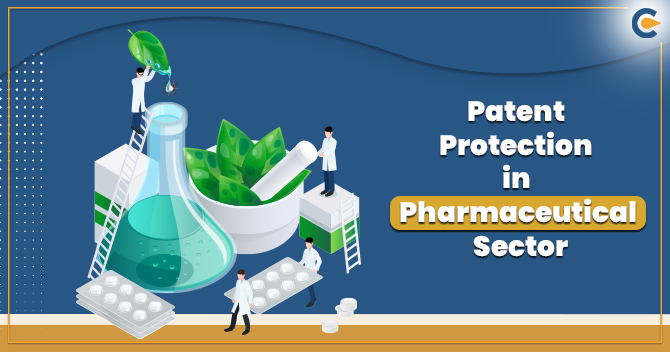



The pharmaceutical industry has earned a drug patent greatly from the technological advancements of recent decades. Developing at least one drug takes years of research and experimentation; it is a highly knowledge-driven field.
Patents are the main form of intellectual property rights employed in the pharmaceutical industry. In India, patent claims are filed under the Act of Patents, 1970. The main goal of patent authorization is to encourage progress in the industry and associate modern technologies with it.
The introduction of product patents aided in giving more power to Indian pharmaceutical companies. The availability of this exclusive ownership can encourage more pharmaceutical companies to conduct research and development for new drugs.
Moreover, much research in the pharmaceutical field is unpredictable and provides no results. However, pharmaceutical companies must make the most of research that yields viable results.
So, how can pharmaceutical companies stay financially secure when they know their research is unpredictable and costly? This is where the drug patent comes into the picture. The pharmaceutical industry considerably uses intellectual property rights like patents to protect its best interests.
Brief Outlook about Patent
The word “Patent” comes from the Latin term “patere” which means “to lay open,” that is, to make available for public inspection. A patent is a monopoly or exclusive right granted to the patent holder above an invention.
However, it’s a contract that the inventor executes with the help of the government of their country, in which he agrees to reveal his entire invention. In return, the government agree to grant them an exclusive right to prevent others from using, making and selling that invention.
Turn your invention into exclusive ownership with patent registration and unlock the power to protect your groundbreaking ideas from the competition.
Understand about Drug Patent
A patent is a legal document that protects the owner’s idea or invention from intellectual property theft. It is the right type of Intellectual Property Right that prohibits others from using, manufacturing, and marketing an innovation without the owner’s permission. The government mainly grants patents to ensure the owner is the only one with complete control over their idea or innovation.
As a result, before granting a patent, a governing authority conducts rigorous checks to ensure that the innovation’s plan, process, and product are inventive and unique. On the other hand, drug patents are patents created particularly for medicines and drugs that forbid other companies from using, manufacturing, marketing, or selling this specific drug.
Secure your drug license today and confidently bring your groundbreaking medicine to the market. This will protect your innovation and ensure compliance.
Talk To Expert

What is the Point of Having a Drug Patent in India?
(4.8)


Overview of Drug Patent in India
After signing the TRIPs agreement, through the amendment of the Patent Act, India has made the transitional arrangements possible. The second amendment was introduced in the year 2000. Afterwards, various bills were introduced, which assisted in increasing the duration of drug patents, adding new matters, and even introducing compulsory licencing.
Under the Third Amendment, product patents were introduced, along with changes in the filing procedure and the fee structure for Indian pharmaceutical companies. Pharmaceutical companies register drugs once they are invented under the Patent Act.
The company shall accumulate a 20-year exclusive right to own the drug’s marketing right or patent for two decades. However, no other drug company can produce and manufacture the same drug.
Trips Flexibilities to Promote the Pharmaceutical Industry in India
After the mandate of the TRIPS agreement and the subsequent amendments made to the Indian patent law, the pharmaceutical industry in India has been considerably influenced by introducing the product patent method and extending the time duration of 20 years.
The TRIPs Agreement affords certain flexibilities that the developing countries can use to counter the excessive monopoly of foreign inventors. Flexibilities under the TRIPs Agreement are as follows:
- In some instances, exemptions from the grant of patents
- In certain cases, exceptions to product patent rights
- Limit data protection
- Provide compulsory licenses to non-patentees
- Provide for government use
- Revocation/ Forfeiture of Patents
Why is there a requirement for Patent Registration?
Patent Registration is a lawsuit that provides inventors with exclusive ownership and use of their service, product, and technology rights. This means only the inventor has the monopoly on their ideas or creations for as long as the patent is valid. Inventors and businesses in the pharmaceutical industry must safeguard their innovative ideas and forbid others from making and selling their inventions without permission.
What are the Types of Drug Patent?
These are the types of Drug Patent that are particularly relevant to pharmaceuticals:
· Process Patent
In this system, only the process of manufacturing a drug could be patented, not the drug itself. Hence, other competitors could use different methods to manufacture the same drug, which can lead to many copies and generic medications.
· Product Patent
According to this system, the Drug had a patent in India, preventing others from manufacturing, selling, and marketing it. This ensured that no one could make the same drug; hence, a pharmaceutical company could monopolise the market share for the drug they specialized in.
Evergreening by Pharma Companies
Evergreening is a strategy that pharmaceutical companies use to protect their commercial interests. It includes making minor changes to an existing drug product and filing for separate drug patents.
For example, a pharmaceutical company would use the same molecular formulae with an altered structure and register separately for a new drug patent. Sometimes, pharmaceuticals could add ingredients, but that makes no difference to the final effect of the product, but they would file another drug patent for that.
Many pharmaceutical companies may even choose to buy out their competitors. They could also try to hinder a rival’s research by filing false infringement claims contrary to these new drug patents. When these strategies are legal, they increase the cost of medications, especially for the general public, and should be scrutinized.
How Drug Patents Have Helped Pharma Companies?
Before the widespread adoption of product drug patents in India, pharmaceutical companies faced many significant challenges. This was just because of the generic companies that don’t invest much in research. They sell their drugs significantly just at lower prices and then consolidate the market share. These types of companies were making life difficult, specifically for the large-scale pharmaceutical companies assisting in developing new drugs.
However, the law of timely patent inventions aided pharmaceutical companies in dealing with the situation effectively. As a result, the drug patent helps pharmaceutical companies maintain a healthy profit margin and should not be used as an attempt to monopolize the market. This was one of the main motives behind adding the Competition Act of 2002, which helps to restrain monopolies in this field.
How Does India’s Patent Law Harm the Drug Industry?
Section 3(d) in the Patent Act, 1970 India’s Patent law may put India at a competitive disadvantage. In a research note, the data presented shows it’s preventing the generic pharmaceutical companies of India (Many of whom are beginning to innovate) from developing new formulations and combinations of existing medicines, which they, in lieu, undertake and commercialize abroad.
Conclusion
Indian patent law has developed into a significant piece of patent legislation that aims to balance the interests of both the inventor and the consumer. It is regarded as an exemplary piece of patent legislation. Owners or inventors can file patent applications for various pharmaceutical processes and products today.
There are several different pharmaceutical patents, depending on the drug they protect. Pharmaceutical companies patent the drugs they innovate or invent and obtain exclusive marketing rights for 20 years. The cost of research and development can be recovered through the pricing of the drug the general public buys.
Craft your legacy in medicine, so visit our website https://corpbiz.io/, patent your drug, and become a beacon of hope for future generations.
Frequently Asked Questions
What is a patent?
A patent is a monopoly or exclusive right granted by a government agency such as the USPTO (US Patent and Trademark Office) for a new invention involving an inventive step capable of industrial application. Contrary to popular belief, patents do not give you the right to make your product; they prevent others from making and selling it.
What is the patent license?
A patent gives inventors the exclusive right to prevent others from using, making, or selling a product or process related to the patent invention without the inventor's prior permission, such as through a patent license.
What is the purpose of a drug patent?
The major purpose of drug patents is to protect intellectual property. In this, patents offer intellectual property protection to pharmaceutical companies with exclusive rights to their innovations. This right prevents others from making, selling, or importing panted inventions without permission.
How long is a drug patent good in India?
At present, the scenario in India is that product patents will be respected for a period of two decades from the time of application only, not from the time of grant of the patent.
What happens when a drug is patented?
The drug is protected under patent protection, which means the pharmaceutical company that holds the patent is only allowed to manufacture and market the drug and, ultimately, profit from it. In most cases, the drug patent is awarded for Vicennium in the United States.
What are the problems with drug patents?
There are significant economic impacts when patents are deployed to extend monopoly power. At first, they keep the prices of drugs artificially high for longer periods, straining the budgets of patients, the healthcare system, and the taxpayers.
Does the Government issue a patent?
A patent is a grant of a property right in an invention issued by the USPTO (United States Patent and Trademark Office).
What is the lifespan of a drug patent?
Generally, a new patent is granted two decades from the date of application filed in the United States. A pharmaceutical company can apply for a patent from the USPTO anywhere during the drug's development lifecycle and can involve an extensive range of claims.
What happens after a drug patent expires?
Once a patent expires, the pharmaceutical landscape undergoes a sudden change. When a pharmaceutical patent expires, generic competition emerges, and competitors can also market and produce the generic version of the medicine, usually at lower prices.
What is Patent Registration?
Patent registration is the legal process of obtaining exclusive rights for an invention, whether a service, product, or technology, and providing ownership over the creation for a certain time period.
Read our blogs: Why is Patent Registration Essential for Safeguarding Your Inventions?