

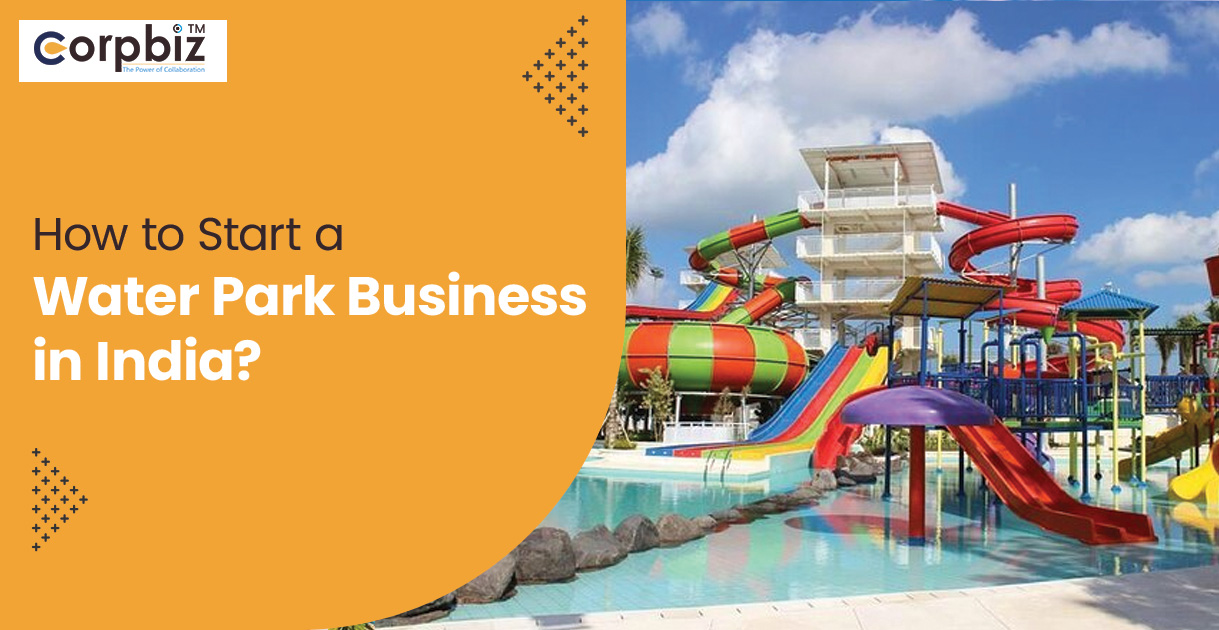
The Indian water park industry is growing phenomenally, pressed upwards by increasing disposable incomes, rapid urbanization, and a strong economy. More people go for amusement and fun because water parks are considered one of the best places to spend time with families and seek adventure equally.
The water park business presents an exciting opportunity for entrepreneurs to capitalize on the booming entertainment sector in India. This blog will walk you through the general steps one would have to take to establish a water park business, from doing market research to choosing a location to elaborate on operations.
Growth and Profitability of Water Parks in India
The water park industry in India gained profitability with better economic development, reduced unemployment rates, and increased consumer expenditure. As disposable income rises, the tendency to spend on recreational activities has also risen, and thus, more people are drawn to visiting water parks. This trend is further encouraged by the growth of domestic tourism, as many water parks are among the top destinations.
The global water park market was valued at USD 2531.3 million in 2022 and is expected to reach USD 4016.8 million by 2029, growing at a CAGR of 8.0%. In India, sustained domestic travel and an overall strong entertainment sector make the ecosystem quite favourable for water parks to become profitable businesses.
Multiple Revenue Streams
The water parks generate revenues in the following ways in India:
- Entry Fees: The obvious main source of income generated is through general entry tickets to, in some cases, premium access.
- Food and Beverage Sales: Many parks operate food stalls and restaurants to cater to visitors.
- Merchandising and Souvenirs: Sales of branded products, such as clothes and toys.
- Premium Attractions: Some parks provide paid access to exclusive areas or VIP facilities.
- Event Hosting: Corporate events, private parties, and school picnics are an added source of revenue.
The diversified streams of income mentioned above significantly increase a water park’s profitability, mainly during peak tourism and holiday seasons.
Talk To Expert

Need Help? Contact Our Experts Today.
(4.8)

Market Research and Feasibility Study
Extensive market research and a feasibility study are essential before setting up a water park and undertaking the need for your proposed venture. This would provide insight into demand, competition, and the economic factors influencing your business. Aspects to be Considered in Market Research:
- Demographic Trends: Research your target customer’s age, income, and population density. Families, young adults, and teenagers are the primary users of water parks.
- Consumer Preferences: Assess what proportion of your target market prefers which type of attractions and amenities, such as thrilling water slides versus family-friendly areas.
- Seasonality: Figure out the seasonality of attendance. While water parks are in high demand during summer in India, having the park open throughout the year may ensure around-the-year income.
- Competitive Landscape: Research the water parks operating in your target region. Understand their strong and weak points to position your park more effectively. This will give you a better idea of where to situate your park, target your marketing, and what kinds of attractions will be most appealing after a comprehensive market study.
Location Selection
Choosing the right location is critical to the success of your water park business. The location should be accessible, highly visible, and offer ample parking space. It’s essential to ensure that the area is near tourist destinations or residential zones to attract consistent footfall. Factors to consider:
- Accessibility: Ensure easy access by road and proximity to highways or transportation hubs.
- Foot Traffic: Locations near popular tourist attractions, hotels, or shopping malls tend to have higher visitor turnout.
- Weather and Climate: Ensure the area’s climate is suitable for operating a water park year-round, or plan for a seasonal operation if necessary.
- Land Availability and Cost: Water parks require significant space, so it is essential to have large plots available at reasonable rates.
- Zoning and Regulations: Verify zoning laws and ensure the land is suitable for commercial amusement park use.
Selecting a strategic location will make the park more accessible and improve its profitability by attracting more visitors.
Secure your water park’s success with the right location. However, start with seamless company registration to make it easy to navigate the legal landscape, ensuring your venture is set to make waves.
Business Plan Development
A comprehensive business plan is essential for laying out your vision and guiding the startup process. The business plan should cover every aspect of your water park’s development, operation, and financial projections. Key Components of Water Park Business Plan:
- Park Concept: Clearly describe your park’s leading theme and Unique Selling proposition (USP).
- Target Market: Describe the demographic profile of target customers.
- Revenue Streams: Describe how your park will generate revenue through ticket sales, food and beverages, merchandise, events, and more.
- Operational Plan: Outline the organizational structure, staffing requirements, and day-to-day operations.
- Marketing Strategy: Describe how to market the water park to attract visitors through digital marketing, partnerships with tourism promotion agencies, and local promotions.
- Financial Projections: Detailed financial forecasts regarding startup costs, revenue, and profitability during the first five years are needed.
It also serves as a strong business plan when you seek investments or finances for your venture.
Craft a winning water park business plan with expert guidance, from defining your concept to projecting financial success. Lay a solid foundation for your venture and attract the right investments.
Legal and Regulatory Compliance
Operating an amusement/water theme park in India presents regulatory compliance challenges. Adherence to safety standards, environmental regulations, and other legal conditions is the key to good functioning. Below is the list of permits and licenses:
- Construction Permits: The permits authorize the park’s construction and ensure that all construction follows building safety codes.
Kickstart your water park project with seamless building NOC to secure the necessary construction permits, ensuring your park meets all safety codes and is ready for an exciting launch.
- Environmental Clearance: Water parks must abide by the attainment of environmentally friendly licenses that observe how water is utilized and disposed of.
However, ensure your water park is eco-friendly and compliant with environmental clearance services to navigate the licensing process. This will allow you to make a splash while protecting the environment.
- Health and Safety Certification: In addition to providing visitors fun and entertainment, water parks must adhere to strict health and safety aspects concerning lifeguards on location and quality water management.
- Fire Safety Permits: Obtain fire safety clearance against fire hazards.
- Business License and Registration: Get your business registered and obtain all tax IDs and business licenses required for the project. Non-compliance with such regulations could attract fines or even closure; hence, this is one aspect that should be handled with care.
Read more Blogs – How to Start a Flower Waste Recycling Business in India?
Investment and Financing
The initial investment to establish a water park will be very high, mainly due to land acquisition, construction, rides, and operational costs. You need to understand your financing options and how to secure your funds in the whole process. Major costs to consider are:
- Land Acquisition: One of the largest expenses a company will have to bear, especially in prime locations.
- Construction involves constructing the park infrastructure encompassing pools, water slides, and guest facilities.
- Attraction and Rides: Purchase of water slides, lazy rivers, wave pools, and other amusements.
- Staffing and Operations: Budget for staff, training, and daily operational expenses.
- Marketing and Promotion: Initial campaigns to create awareness and buzz before the grand opening.
Financing Options
- Bank Loans: Financial institutions could be approached for business loans with the presentation of your business plan.
- Partnerships: Partner with investors willing to cover a portion of your project in exchange for equity.
- Government Grants: State governments sometimes give incentives or grants to influence tourism development.
A good financial plan would keep one abreast of general expenses and guarantee a continuous cash flow once the park opens its operation.
Park Designs and Development
Once you have the area and financing, shifting to the design and development phase is time. Collaboration with highly experienced architects, engineers, and designers will help bring your vision to life. Key Considerations in Park Design:
- Theme and Aesthetic: Choose a theme for the park that your target audience will find appealing.
- Safety: Design and construct attractions that allow access to water filtration systems, lifeguard stations, and first aid to ensure maximum safety.
- Space Utilization: Full utilization of space for rides, guest areas, food courts, and parking.
- Guest Comfort: To enhance visitor comfort, include ample changing rooms, lockers, rest areas, and shaded zones. At this stage of development, amusement park development experts must be contracted to ensure the park matches operational and aesthetic standards.
Conclusion
Starting a water park business in India has huge potential to be unlevelled, offering a number of avenues for good profitability and growth. With comprehensive market research, correct identification of the place, compliance as per regulatory requirements, and building a strong business plan, you will be able to lay a very sound foundation for a water park.
Everything plays an important role in building the business, from creating exciting attractions to effective marketing strategies that work. Now, at a time when India’s continuously growing economy and ever-increasing consumer demand for entertainment and leisure are at their peak, it is the perfect time to undertake this exciting journey.
Whether creating a standalone park or adding a water park to an existing facility, a well-planned and well-executed plan transforms your vision into a favourite and profitable destination for years to come.
Focusing on guest satisfaction, innovation, and operational efficiency will make your water park the must-see destination among families, tourists, and thrill-seekers throughout India. Thus, it has immense potential for creating lifetime memories for visitors through strategic planning and a passion for hospitality, making the water park business in India very profitable and one of the prime attractions in the entertainment industry.
Ready to enter the water park business? Our Corpbiz website will guide you through every step, from registration to compliance, so that you can make a splash in this booming industry.
Frequently Asked Questions
How much investment does opening a water park in India take?
The cost of setting up a waterpark complex varies from location to location, size, and the identity of the attractions. While small to medium-sized parks cost ₹ 15-50 crore, large parks demand far more intensive investments.
How long does it take to build a water park?
Generally, water park development may take 1-3 years, which involves planning, design, approvals, construction, and installation of rides.
What generates the revenues of a water park?
Water parks might generate revenue from entry tickets, food and beverages, merchandise, value-enhanced activities, and events, such as corporate functions or private parties.
What licenses and permits are required to open a water park?
You would need construction permits, environmental clearance, health and safety certifications, fire safety permits, and a business license. All the regulations from whatever locality it would be situated in must be followed.
What Do I Need to Consider When Considering a Location for the Water Park?
Consider accessibility, proximity to tourist or residential areas, climate, land availability, and zoning regulations at the local government level. Any given site should be easily accessible and capable of supporting large volumes of visitors.
How can I finance my water park company?
These include bank loans, partnerships, and government grants. A good business plan aids in securing financing from investors or any other financial institution.
What are the legal challenges in running a water park in India?
Other legal issues include compliance with safety measures, environmental legislation, and acquiring the necessary licenses. Failure to comply can result in fines and even the park's closure.
How can I ensure that visitors stay safe?
Management should follow strict health and safety policies, work only with trained lifeguards, install water filtration systems, and regularly service the rides for visitors.
Read more Blogs – 60+ Future Business Ideas in India for 2025