
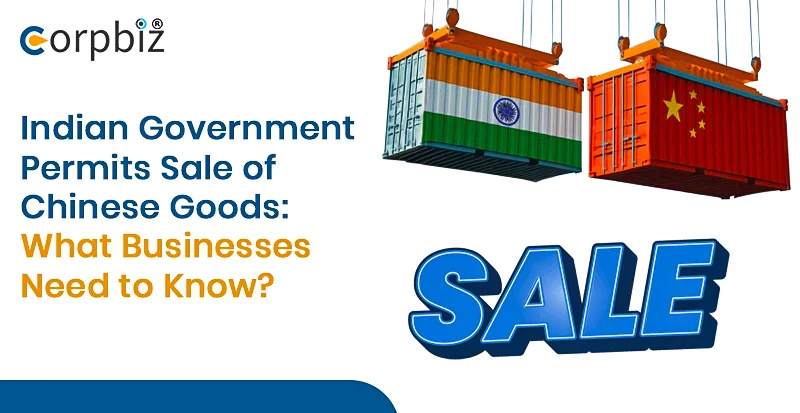
Four years ago, in 2020, the border tensions between India and China resulted in hold of BIS (Bureau of Indian Standards) certification, imposed by the government. As a result, it imposed restrictions on importing Chinese goods into India.
Shipments were often held up at ports. Approvals for BIS applications were delayed. Moreover, it was unclear when and how the rules might change. This uncertainty prevented many businesses from operating as usual. Planning became almost impossible, especially for importers and retailers. Some were bringing in goods, while others were forced to stop along the way.
In this situation, the Indian government’s recent decision to cut GST rates on September 22, 2025, has brought some relief in India-China trading activities. It brought a gradual stability in India-China diplomatic ties after a meeting between Prime Minister Narendra Modi and China’s President Xi in August.
This approved the sale of Chinese goods under specific conditions of BIS certification, aiming to maintain a well-structured and controlled regulatory approach. Additionally, there are indications of easing tensions in direct flights, clearing of business visa for Chinese nationals, and a resumption in exports of heavy rare-earth magnets in India.
This change has created opportunities for businesses. So, read this article to learn about the new arrival rule, its limitations, compliance, and everything important for doing a successful business.
Why were Strict Restrictions on Chinese Imports in India?
The restrictions on Chinese goods in India began between India and China in early 2020; it was not sudden. It was imposed because of diplomatic tensions, economic strategy, and national security concerns.
During this time, the government began strictly enforcing BIS certification, customs clearance, and product-specific standards. The BIS certifications were stalled for Chinese products, restricting their market entry and creating problems for consumers. This drew the government’s attention, leading to stricter regulations.
Whereas the local Indian factories received quick approvals, on the other hand, foreign manufacturing plants were put on hold, facing prolonged delays. This impacted all types of businesses. Whether small MSMEs or large importers, everyone faced uncertainty. So, many businesses reduced or completely stopped imports.
Read more – How to Apply for BIS Certification for Chains for Motorcycles (IS 11740)?
What Does the Government’s New Approval Actually Mean?
Many are viewing the government’s new decision of uplifting restrictions on India-China trade as a complete relaxation. This is not reality. The government has clearly stated that Chinese goods can be sold in India, but with certain conditions of BIS rules mandatory for quality control order.
Every product must comply with Indian quality and safety standards. Labeling, testing, and necessary approvals are mandatory. The quick processing of import files has been mandated in certain sectors such as electronics, household goods, shoes, steel products, and raw materials.
The biggest aspect of this decision is transparency. Now the guidelines are clear, and businesses know their responsibility. So, planning business operations has become much easier.
Talk To Expert

Sale of Chinese Goods Allowed in India, Know More. Talk to Corpbiz experts now.
(4.8)


Why is the Approval of Selling Chinese Goods Important for Indian Businesses?
The approval of selling Chinese goods in India is truly important for Indian businesses. It creates an opportunity to import Chinese goods legally again. Previously, many businesses were forced to look for alternative routes.
The supply chain has become more stable. This has also made stock management and pricing easier. It has also created the possibility of reducing dependence on the grey market.
The main impacts of this decision are:
- Opportunity to import goods legally
- Stability of the supply chain
- Reduction in sudden risks
- Increased business credibility
Which Products will Benefit Most from Import of Chinese Goods in India?
Multiple products would likely benefit from the approval of importing Chinese goods such as electronics, home essentials, and consumer goods in India. Let’s see the following products:
- Electronics and Electronic Components: This sector will benefit most, as China is known for its electronics products. And the high demand for mobile accessories, chargers, laptops, solar cells and modules, lithium-ion batteries, lighting products, and components.
- Household and Daily Use Products: Kitchenware, small home appliances, and utility items can easily return to the market.
- Consumer Goods: It includes footwear, lifestyle, and utility products (large TVs), white goods (washing machine, fridge) that havereceived priority due to the possibility of importing large volumes at low prices.
- Industrial Inputs and Raw Materials: Steel products, chemicals, and manufacturing inputs will help reduce production costs.
- Specialized Materials: Heavy-rare earth magnet, essential for renewable energy and electric mobility saw a significant increase in supply from China.
- Medical Equipment: Imports of medical and scientific equipment added to trade volume.
High demand, production dependence, and the necessity for the industry largely benefit the products. With the approval of these products, businesses benefit in wider sourcing, and consumers benefit in getting more products without compromising safety. However, compliance is non-negotiable, which implies any mis attempt to bypass the process may lead to penalties.
Read more – Understanding BIS Certification for Baby Products in India
Impact on the Indian Market and Competition
The import of Chinese goods to the market will increase competition in the Indian market, undoubtedly. This could create pressure, especially for domestic manufacturers who relied solely on price for their business.
However, this change is not entirely negative. Controlled competition strengthens the market. When imported goods arrive according to regulations, domestic companies are also forced to pay more attention to quality and design.
Changes will also be seen from the consumer’s perspective. Product options will increase, and consumers will benefit more from price competition.
Market impact of this decision is given below –
- Increased competition for domestic manufacturers
- Pressure on business models based solely on low prices
- Potential for improved product quality and innovation
- More choices and better prices for consumers
- Market maturation through rules-based competition
- Businesses that emphasize quality and trust will survive in the long run.
The New Compliance for Selling Chinese Products in the Indian Market
In the current situation, compliance is no longer a matter confined to paper. It is now a crucial part of business. BIS certification and product testing are the biggest requirements for importing Chinese goods.
Proper documentation, factory registration, and conformity assessment are required for every product. Here, the responsibility lies equally with both the Indian importer and the foreign manufacturer.
If the rules are not followed at any stage, the consequences can be serious. Problems such as product seizure, fines, or restrictions on future imports may arise. The biggest damage is the loss of a business reputation.
Compliance should no longer be viewed solely as a legal obligation. It is actually a way to mitigate risk. The regulations protect the business and build credibility in the market.
How to Manage BIS Certification and Regulatory Approvals in India?
The BIS certification process can be managed effectively with the right approach. Each product has different standards, and registration is required accordingly.
- BIS Registration and Certification Process: BIS certification proves that a product complies with Indian safety and quality standards. Some products require registration, while others need full certification. The process varies depending on the type of product.
- Maintain Product-Specific Standards: The rules are not the same for all products. Different standards apply to electronics, household goods, or industrial products. Using the wrong standard can lead to application delays.
- Following the rules: Submitting incomplete documents, incorrect labeling, or failing to provide accurate factory details are common mistakes.
- Check Test Reports and Labeling: If the test reports are incorrect or the label contains inaccurate information, obtaining product clearance becomes difficult.
- Take Professional Assistance: Experienced guidance reduces errors, avoids delays, and lowers the risk of application rejection.
Opportunities for Importers, Retailers, and Distributors
The biggest beneficiaries of this change are the businesses that want to operate by the rules. Businesses with their paperwork must adhere to BIS norms and can now bring products to the market faster. Planning has now become easier with clear rules.
In many cases, those who businesses enter the market first will have an advantage over others. This is because not everyone can enter the market under a regulated import.
Today’s consumers are much more aware than before. They now look at certifications in addition to price. Thus, selling BIS-certified products is much easier.
Furthermore, it creates opportunities to work with compliant foreign suppliers for the long term. This avoids repeatedly encountering new problems.
So, those who follow the right path will be able to get the most benefits.
Risks and Challenges Businesses Need to Be Prepared
There are certain risks and challenges businesses must be prepared beforehand. See these below:
- Cost and Time Calculation: Certification and testing require both money and time. Not planning can create pressure.
- Supplier Non-cooperation: Sometimes, foreign manufacturers delay providing the necessary documents. This can halt the entire process.
- Complexity in Understanding Regulations: In some cases, the interpretation of regulations changes, which can confuse businesses.
- Increased Scrutiny: Customs and other departments are now more vigilant. Problems arise if mistakes are detected.
What Businesses Should Focus on to Move Forward?
No business operates in guesswork. Planning is what they do, for growth and profits; which is the safest path. But one thing businesses in import activities must have supplier verification, which is necessary. They must be familiar with the regulations. Maintaining proper documentation is also very important. Even small mistakes can lead to significant delays.
The focus of the business should be on:
- Regularly verifying supplier documents
- Maintaining proper records of all approvals
- Having open communication with customers regarding product quality
- Quickly adapting to any changes in regulations
- Prioritizing credibility over quick profits
- These practices make a business much more stable.
The New Direction of India-China Trade
The government is neither going for a complete ban nor giving complete freedom. The needs of the economy are being prioritized, but there is no compromise on security and quality. The market is opening, but within the framework of regulations.
This decision signifies:
- A realistic trade policy
- Import through regulation
- A balance between the domestic industry and consumers
- Emphasis on rules-based trade in the future
- The trade will continue, but under certain conditions.
Conclusion
Approving the sale of Chinese goods does not mean relaxing the rules. Businesses must follow regulations for further progress.
So, the product quality, proper BIS certification, and clear documentation are crucial to entering the market. Addressing these issues will have an advantage over others.
If you are looking for the right assistance, then Corpbiz is by your side. We help you with BIS FMCS certification, import compliance, and necessary approvals, avoid unnecessary delays, and reduce penalties.
Moving forward with the right guidance ensures a business’s credibility in the future. So, follow the rules to achieve long-term success.
Helpful Questions About Indian Government Permits Sale of Chinese Goods
What does the Indian government's approval of Chinese products mean?
Some Chinese products can now be sold in India if they comply with BIS regulations. The products must meet quality standards, comply with safety regulations, and have proper labeling and documentation. If these conditions are met, the products will enter the market.
Can Chinese products now be sold freely in the open market?
No, not completely freely. Permission is not granted for all products. Products that comply with specific regulations can be sold. BIS or other certifications may be required. If the rules are not followed or the documentation is incorrect, there will be problems at customs.
Which types of products have been most affected by this decision?
Electronics and their components have been most affected. Household items, shoes, steel products, and raw materials are also included. Many businesses depend on them. Therefore, the government has clarified the regulations for these products.
Is BIS certification required for all Chinese products?
No, not for all products. However, BIS certification is required for many products, especially electronics and safety-related products. It needs to be checked individually for each product whether BIS is required. It can cause problems when rules are not followed.
What kind of losses can businesses incur if they don't follow the rules?
The products can be held up at customs if the rules are not followed. Sometimes, the products are even confiscated. Fines and penalties may also be imposed. It can also create problems in obtaining import permits in the future. The biggest loss is damage to the business's reputation, which is difficult to repair later.
What will happen to Indian manufacturers as a result of this decision?
Domestic manufacturers will face increased competition. And this will force them to improve their quality. Selling at low prices alone will not be enough. They will have to manufacture quality products to survive in the market.
Can small businesses or MSMEs take advantage of this opportunity?
Yes, small businesses or MSMEs can take advantage of this opportunity. They need to understand the rules properly and maintain correct documentation. The rules are the same for small businesses as well. MSMEs can also import safely, thereby reducing risks with the right assistance.
How long does it take to get BIS registration?
The time depends on the product; it takes less time. It takes 20-30 working days for CRS (Compulsory Registration Scheme); if the paperwork is correct, it can take 4 to 6 weeks or 3 to 6 months. Mistakes in the paperwork cause delays. Doing everything correctly from the start saves time.
What documents are required to sell Chinese products?
The BIS certification is required. Test reports are needed. Proper labeling is mandatory. Factory information must be provided. Import documents are also necessary. The required documents vary depending on the type of product. Even a single incorrect document can cause problems.
What are the benefits of seeking professional help for compliance?
Professional help makes understanding the regulations easier. It reduces errors, applications don't get stuck, saves time, and unnecessary costs are reduced. Businesses can enter the market faster with minimal hassles.
Read more – Products Exempted from the BIS Certificate