

The amount of medical waste is rapidly growing with the growing healthcare sector in India. Every day, a large amount of biomedical waste is generated in hospitals, clinics, diagnostic centres, and laboratories, including infectious, chemical, and non-hazardous materials. If this waste is not segregated or properly processed, it will pollute the environment and increase the spread of disease.
According to the Central Pollution Control Board (CPCB), about 700 tonnes of biomedical waste are generated in India every day. However, less than half of the waste was processed properly. This reality is a big threat to public health and the environment.
In this article, we will discuss the 10 major challenges of biomedical waste management in India, the latest statistics, effective solutions, and how Corpbiz helps healthcare institutions build efficient and compliant waste management systems.
Current Status and Future Prospects of The Biomedical Waste in India
Current situation
- Daily waste generation: about 170,338 tons per day
- Total processing capacity: Approximately 91,512 TPD of the generated waste is treated, but not fully utilized
- Actual waste processed: only 91,512 TPD per day
Despite the infrastructure, the capacity is not fully utilized due to a lack of effective management. Many places in small towns and rural areas still do not have Common Biomedical Waste Treatment Facilities (CBWTFs), resulting in illegal dumping of waste.
Read more – Why is there need for Waste Management in India?
Future Prospects of the Biomedical Waste in India
According to CPCB forecasts, the amount of biomedical waste in India could reach 165 million tonnes annually by 2030.
Currently, the biomedical waste management in India is around 619 to 774 tons per day. It is increasing from approximately 62 million tonnes annually today.
These statistics prove that with the right policies, investments, and technologies, biomedical waste management in India can protect the environment and create new possibilities for sustainable healthcare.
Talk To Expert

Need help with Biomedical Waste Management in India – Talk to Our Experts
(4.8)


10 Key Challenges of Biomedical Waste Management in India
Given below are the key challenges of biomedical waste management in India-
Not Segregating Waste Properly
Many hospitals still dispose of all types of waste together. Infectious items such as syringes, bandages, or test tubes often get mixed with general waste. This increases the risk of infection, and the cost of processing is also high. Hospitals should use different coloured bins to avoid this problem. Employees need to be trained regularly so that everyone knows where to throw which waste. If desired, bins with smart sensors can also be used.
Lack of Processing Centers
Although the country has waste processing capacity, it is not fully utilized. In rural areas, there are many places that still do not have proper waste disposal systems. Often, this waste is dumped in open fields or near rivers, which is dangerous for the environment and human health.
Small CBWTFs (Common Biomedical Waste Treatment Facilities) need to be created in each district to solve this problem. A reliable logistics system should also be developed for waste transportation. In small hospitals, autoclaves or shredders can be installed, and waste can be processed on-site.
Lack of Awareness
It is often seen that hospital staff do not know the rules for disposing of waste. Due to busy schedules, no one sees colors or has time to put them in separate bins. This increases the risk of infection and leads to violations of rules.
Regular training is needed to overcome this problem. Instructions need to be posted in simple language inside the hospital so that everyone can easily understand. Medical and nursing courses should also teach about waste management so that future employees are aware.
Lack of Compliance with Rules
Although there are Biomedical Waste Management Rules of 2016, many small clinics or nursing homes do not follow them. In many places, records of waste disposed of are not kept. This harms the environment and increases administrative hassle.
Here, GPS tracking systems can be helpful to monitor where waste is going. Fines should be imposed for non-compliance. Also, any reward or recognition for following the rules can encourage other institutions.
Financial Problems of Small Clinics
Waste management costs a lot. It is difficult for small hospitals or rural health centers to bear the cost. So, many people throw waste in the open. This causes serious damage to the local environment. Multiple clinics can jointly use a waste processing plant to reduce this problem. Investment in the government-private partnership (PPP model) needs to be increased. In addition, it is possible to partially recover the cost by launching a waste-to-energy project.
Environmental Pollution and Public Health Risks
When hospital waste is not disposed of properly, it affects the surrounding air, soil, and water. If syringes, gloves, or blood-stained cotton are thrown away, they decompose and release toxic chemicals. This spreads diseases and also damages the environment.
Non-steam technologies such as autoclaves or chemical sterilization can be used to reduce this risk. Now, Zero Liquid Discharge (ZLD) systems have been introduced in many places, which is a good initiative. So, it is necessary to use biodegradable medical supplies.
Managing Waste in Pandemic and Emergencies
During COVID, we saw that PPE kits, masks, and syringes had become mountains of waste. In many places, there was no proper system to dispose of or process that waste. This put the environment and the health of workers at risk.
It is necessary to learn from this experience and plan now. Rapid response systems or rapid response protocols need to be created in hospitals. It is important to create temporary storage units to store excess waste during emergencies. In addition, research on making biodegradable
PPE kits should be further expanded.
Lack of Recycling Opportunities
It is often seen that some recyclable things are also burned. For example, plastic, glass, or metal parts. This wastes resources and pollutes the air.
It is necessary to safely reuse or recycle sterile plastic and metal parts to overcome this problem. Doing so will develop a circular economy. Every hospital needs to have a recycling system along with its waste management. This will reduce costs and save the environment.
Lack of Data Storage and Reporting
Many health centers in India still do not properly submit their waste-related information to the CPCB or State Pollution Control Board. This does not indicate how much waste is being generated or how it is processed.
This gap needs to be filled. Hospitals will be able to easily upload data by introducing a digital monitoring system. Sending this report every month will make it easier to make informed decisions and do the work according to the regulatory agency.
Lack of Coordination between Different Parties
Many parties are involved in biomedical waste management- hospitals, transport companies, processing plants, and regulatory authorities. But not everyone works together all the time. This results in delays in decision-making and improper management of waste in many places.
A single, coordinated national policy is needed, where all the agencies work together to solve this problem. An online platform can be launched for sharing information. Regular joint audits will strengthen communication, and the speed of work will increase.
Read more – Regulations Governing Biomedical Waste Management Business
Role of Recycling in Strengthening Biomedical Waste Management in India
Proper recycling of biomedical waste makes the entire management more efficient. When waste is segregated in hospitals, many materials like plastic, metal, or glass can be reused. Safe recycling of these materials after disinfection reduces the pressure on the environment and also reduces the amount of waste that ends up in landfills.
This process creates a kind of circular economy in the healthcare sector, where waste becomes a new resource. Recycling according to the rules protects the environment and reduces costs. Combining waste treatment and recycling is sustainable and profitable.
How Can Corpbiz Help You?
Corpbiz provides complete support in biomedical waste management in India from start to finish. We support you in the process of obtaining all the necessary documents, approvals, and clearances as per the Bio-Medical Waste Management Rules, 2016.
The Corpbiz team also helps in setting up incinerators, autoclaves, shredders, or chemical disinfection units. We also work on training employees, waste management audits, and integration of new technologies.
Whether it is a hospital, clinic, or laboratory, Corpbiz ensures that your waste management is easy, legal, and environmentally friendly.
Read more – Dismantling As an E-Waste Management Business
To Wrap Up
Biomedical waste management in India is no longer just a matter of complying with the law. It is a responsibility to protect the health and environment of all of us. Proper waste segregation, proper disposal, and use of modern technology, these three aspects working together will improve the situation a lot.
If you want to develop a modern waste management system in your hospital or clinic, then Corpbiz can be your best partner. Our team will help you build a sustainable system according to the right rules, infrastructure, and technology.
Join Corpbiz today to make your organization cleaner, safer, and future-proof.
Need-to-Know Questions About Biomedical Waste Management
What is meant by biomedical waste management in India?
Biomedical waste management in India refers to the process of collecting, segregating, treating, and safely disposing of infectious and hazardous waste generated from hospitals, clinics, and laboratories. This prevents harm to the environment or people through this waste. This is regulated by the CPCB and the State Pollution Control Board as per the Bio-Medical Waste Management Rules, 2016.
Why is biomedical waste management in India so important now?
With the rapid expansion of the healthcare sector and the post-COVID era, the amount of waste has increased manifold. In many cases, the risk of infection and pollution increases due to improper disposal of this waste. Therefore, biomedical waste management in India is now one of the necessary steps to protect public health and the environment.
What is a Common Biomedical Waste Treatment Facility (CBWTF)?
A CBWTF is an approved facility where biomedical waste from various hospitals and clinics is collected and processed. It safely collects, transports, disinfects, and disposes of biomedical waste. These centers are an effective solution for biomedical waste management in India for small hospitals and rural clinics.
What is the color code used for biomedical waste management in India?
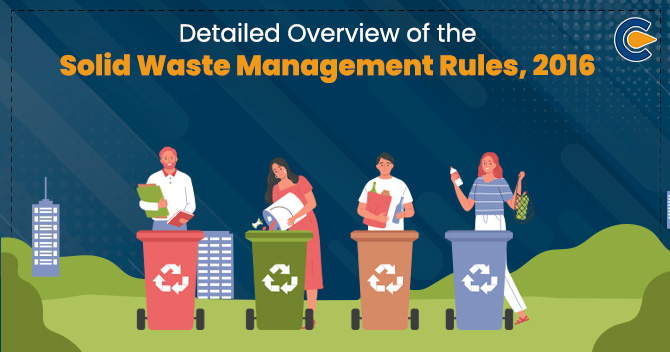
Four color bins are used in India to segregate waste: yellow (infectious waste), red (contaminated plastic), blue (metal and glass), and black (non-infectious waste). This color-based system helps in segregating waste and greatly reduces the risk of infection.
How is biomedical waste processed in India?
Biomedical waste in India is generally disposed of through incineration, autoclaving, microwave treatment, or chemical disinfection. These methods destroy the germs in the waste and make it safe. It is mandatory to follow the guidelines of the approved centers and CPCB to ensure proper biomedical waste management in India.
What happens if a hospital or clinic does not follow the waste management rules?
Failure to comply with the rules may result in penalties such as fines, suspension of license, or closure of the institution as per the Bio-Medical Waste Management Rules. CPCB and SPCBs enforce these rules to protect the environment and public health. Therefore, hospitals should ensure proper segregation, transportation, and disposal of waste.
How does biomedical waste recycling help the environment?
Waste recycling reduces environmental pollution, reduces resource usage, and reduces carbon emissions. After disinfection, materials like plastic or metal can be safely recycled. This makes biomedical waste management in India more sustainable and economically viable.
How often should biomedical waste be collected and disposed of?
As per the CPCB rules, biomedical waste must be collected daily and processed within 48 hours. This reduces the risk of infection and makes biomedical waste management in India more orderly, especially in large hospitals and labs.
How can small hospitals or clinics dispose of waste properly?
Small hospitals or clinics can join hands with nearby CBWTFs to jointly dispose of their waste. Government subsidies and Public-Private Partnership (PPP) schemes can also help reduce costs. This will make biomedical waste management in India easier for rural health centers.
How does Corpbiz help with biomedical waste management?
Corpbiz provides all the support from start to finish, from obtaining regulatory licenses and approvals to setting up treatment plants to training staff and technology integration. Our goal is to keep hospitals, clinics, and labs fully compliant, safe, and environmentally friendly in biomedical waste management in India.
Read more – Battery Waste Management Rules 2023